The AI Tools Everyone Is Talking About: Practical Insights and Applications
Explore the AI tools generating buzz across industries, understand their practical uses, and learn how to integrate them effectively into everyday workflows and projects.
Avery writes about trends, platforms, and strategic shifts in artificial intelligence, with attention to what matters in practice.

The AI Landscape: What Are the Tools Everyone Mentions?
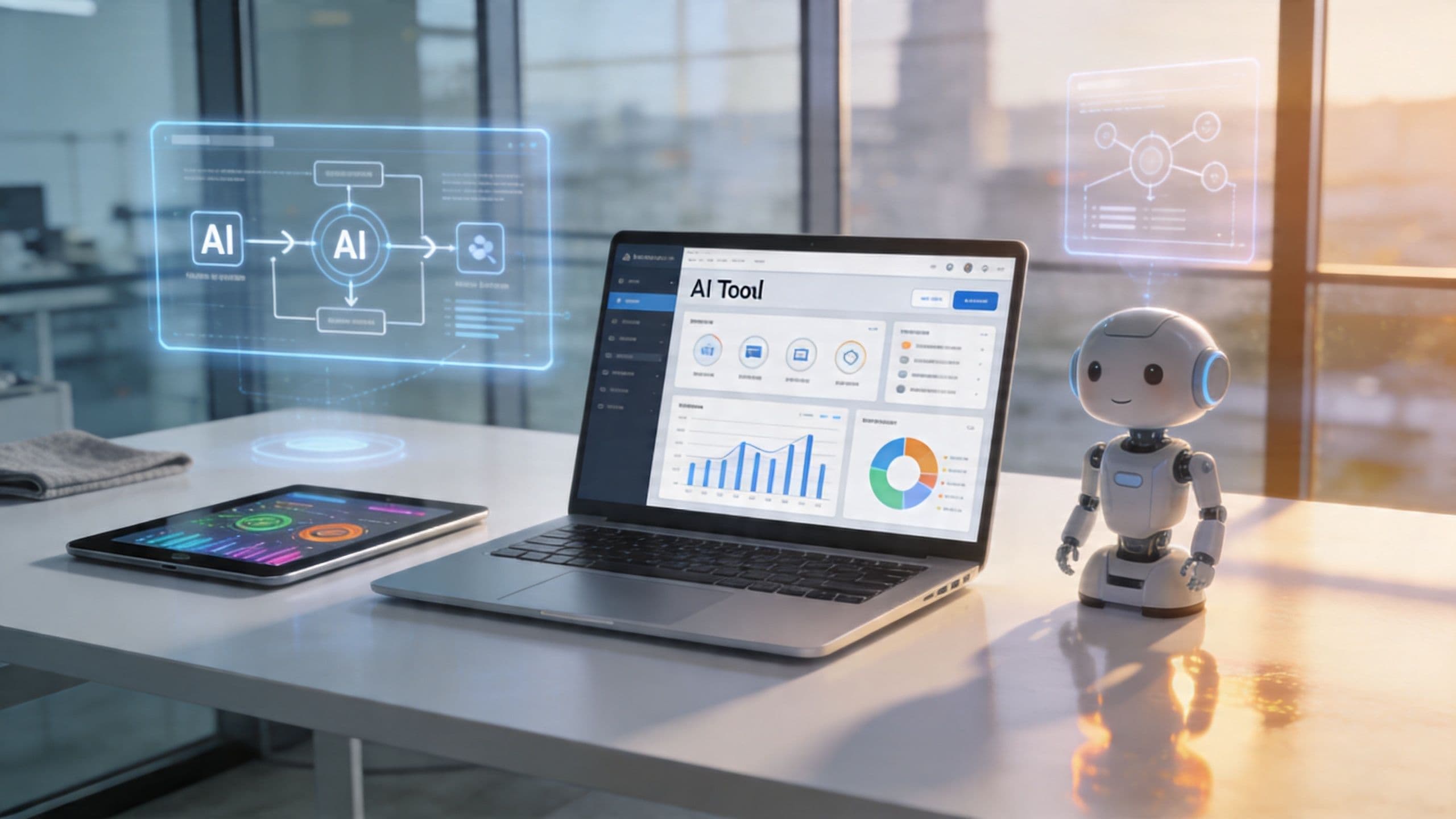
Artificial Intelligence has transitioned from academic labs into the mainstream, powering tools that transform how individuals and organizations operate. Among the vast landscape, several AI tools consistently appear in discussions due to their versatility, accessibility, and tangible impact across fields such as content creation, design, data analysis, and software development.
Leading the conversation are generative AI platforms like OpenAI's ChatGPT and DALL·E, Google's Bard, and image-generation tools like Midjourney. Besides generative models, productivity enhancers like Grammarly’s AI writing assistant or Tableau’s AI-infused analytics also make waves. These tools are designed to augment human creativity and intellect, making complex tasks more approachable.
Generative AI: Revolutionizing Content and Creativity
Generative AI has been the star of recent AI breakthroughs, captivating public and professional attention alike. ChatGPT, for instance, employs advanced language processing to draft emails, answer questions, generate code snippets, and even script creative stories almost instantaneously. Its applications span marketing teams automating content creation to developers seeking programming solutions.
In the visual domain, tools like DALL·E and Midjourney enable anyone to create compelling images from textual prompts, democratizing graphic design and creative expression. Advertising agencies have adopted these to rapidly prototype campaign visuals; educators use them to illustrate concepts without needing dedicated graphic artists.
Moreover, Google Bard attempts to blend generative capabilities with live data and search knowledge, offering responses that combine creativity and relevancy. These advances indicate a future where conversational AI doesn't just respond but helps research and problem-solve in real time.
AI in Data and Analytics: From Insight to Action
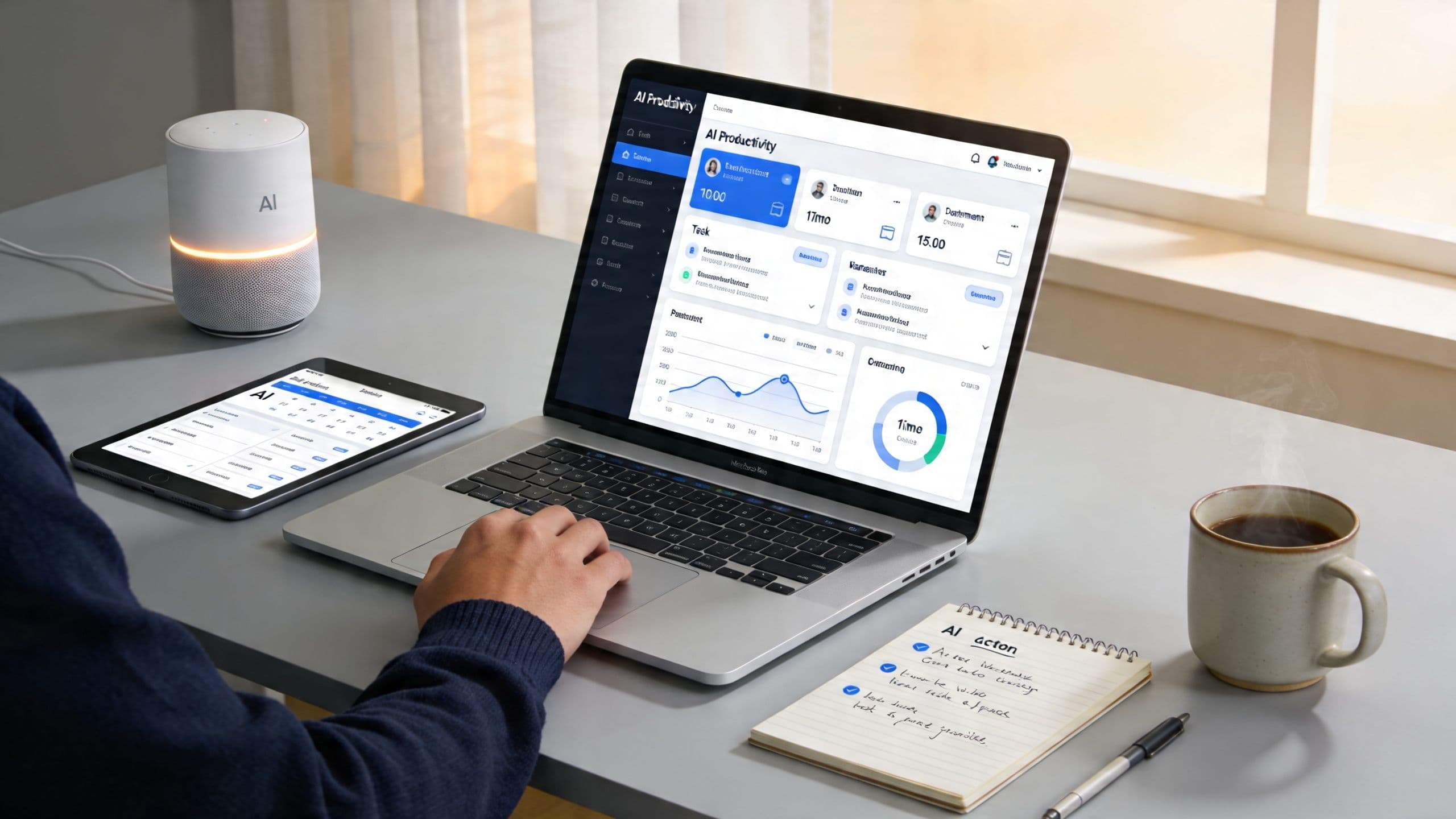
Beyond content creation, AI tools are reshaping data analytics and business intelligence. For example, Tableau’s AI-powered features include natural language querying and predictive analytics, reducing the barrier for non-expert users to derive insights from complex datasets.
Similarly, Microsoft's Power BI integrates AI to automate anomaly detection and forecasting, enhancing decision-making in financial and operational contexts. These tools reflect a shift towards making AI accessible, so domain experts without deep AI expertise can leverage its advantages.
The Developer’s Toolbox: AI-Assisted Code Generation and Optimization
Developers are increasingly using AI to write, review, and optimize code. GitHub Copilot, powered by OpenAI’s Codex model, serves as an AI pair programmer, suggesting code snippets or whole functions in real time within popular IDEs. This assistance accelerates software development and reduces errors, especially for routine coding tasks.
Other tools like DeepCode and Tabnine analyze existing codebases to recommend improvements or spot vulnerabilities. This use of AI helps maintain higher-quality software while freeing engineers to focus on complex architectural challenges.
Practical Considerations: What to Know Before Integrating Popular AI Tools
While these AI systems offer impressive capabilities, understanding their limitations and benefits is crucial:
Accuracy and Bias: AI outputs may contain factual errors or replicate biases present in training data. It’s essential to verify AI-generated content and apply critical judgment.
Data Privacy: When using cloud-based AI tools, especially those handling sensitive or proprietary information, ensure compliance with data protection standards.
Integration Complexity: Some tools integrate seamlessly with existing platforms; others may require custom workflows or additional training for teams.
Cost and Accessibility: Subscription models can vary significantly; balancing value with budget constraints is key.
Adopting AI tools with a clear understanding of these factors ensures sustainable and responsible use.
Looking Ahead: How AI Tools Will Shape Work and Life
The AI tools everyone discusses today illustrate a paradigm shift towards collaborative intelligence, where machines augment rather than replace human capabilities. As AI models continue evolving, expect broader adoption across sectors like healthcare, education, and customer service, with tools becoming increasingly context-aware and personalized.
For readers and practitioners, staying informed about emerging AI capabilities and experimenting with practical applications can unlock efficiency gains and novel creative possibilities. The key is harnessing AI as a powerful assistant—one that amplifies human ingenuity without diminishing the indispensable role of human oversight and expertise.
Explore these tools with curiosity, adopt them judiciously, and prepare for a future where AI’s role in daily workflows becomes ever more integral and enriching.
Safety & Scope
This article is for general informational purposes and does not replace professional advice for complex repairs or installations.
Frequently Asked Questions
+What should readers understand first about AI tools everyone is talking about?
It’s important to recognize that these AI tools are designed to augment human tasks and creativity by automating repetitive processes or providing generative capabilities. Users should understand both their potential and limitations, including issues of accuracy, bias, and data privacy, before integration into workflows.
+What are the most useful examples or use cases for AI tools everyone is talking about?
Popular use cases include generative text and image creation for content marketing and design, AI-assisted coding to streamline software development, and AI-powered analytics platforms that help non-experts extract actionable insights from complex datasets.
+What mistakes should I avoid with AI tools everyone is talking about?
Avoid over-relying on AI outputs without verification, using AI tools without considering data privacy regulations, and underestimating the training or integration effort required for effective adoption. It's also important not to assume AI-generated results are unbiased or error-free.