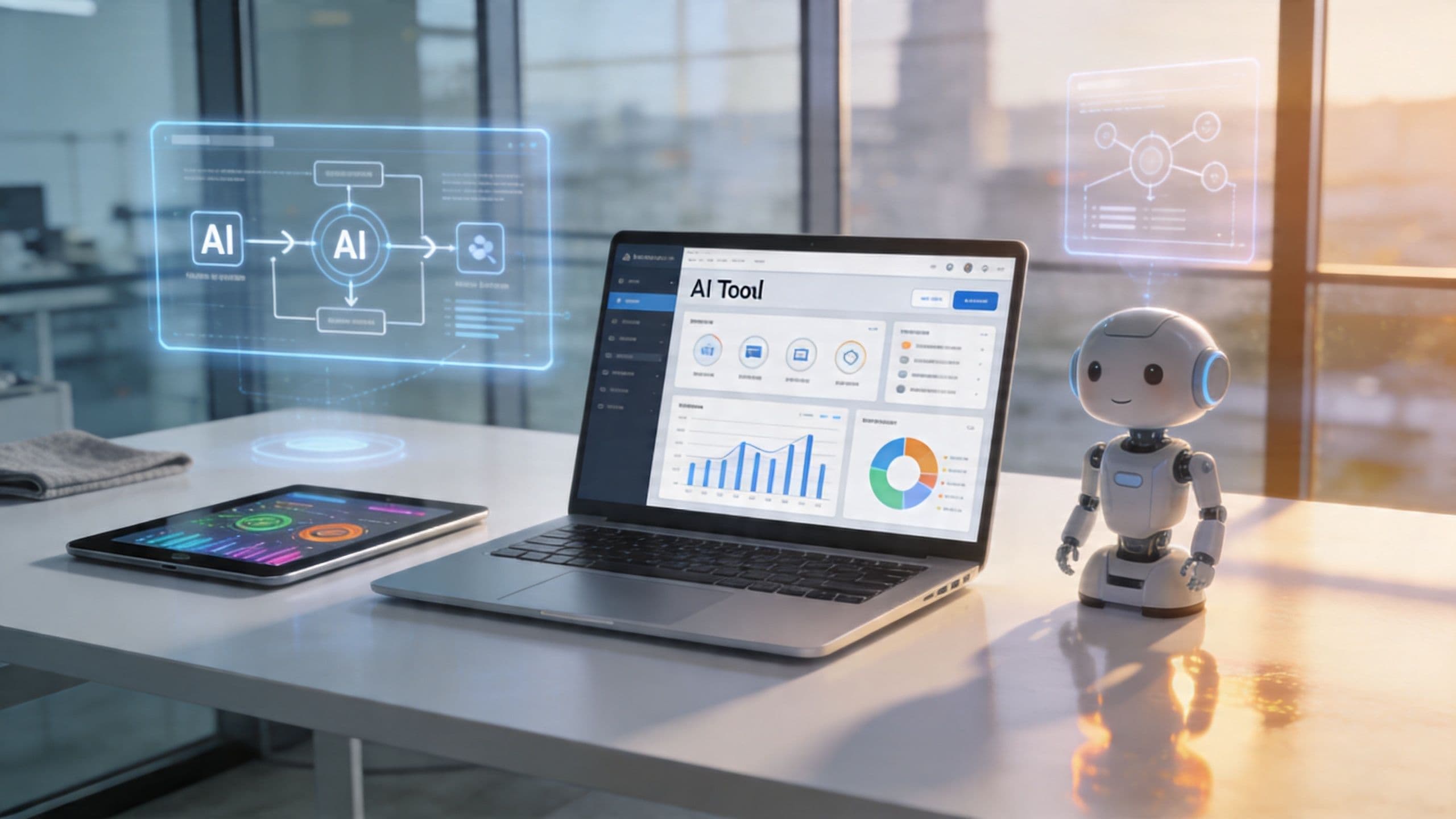
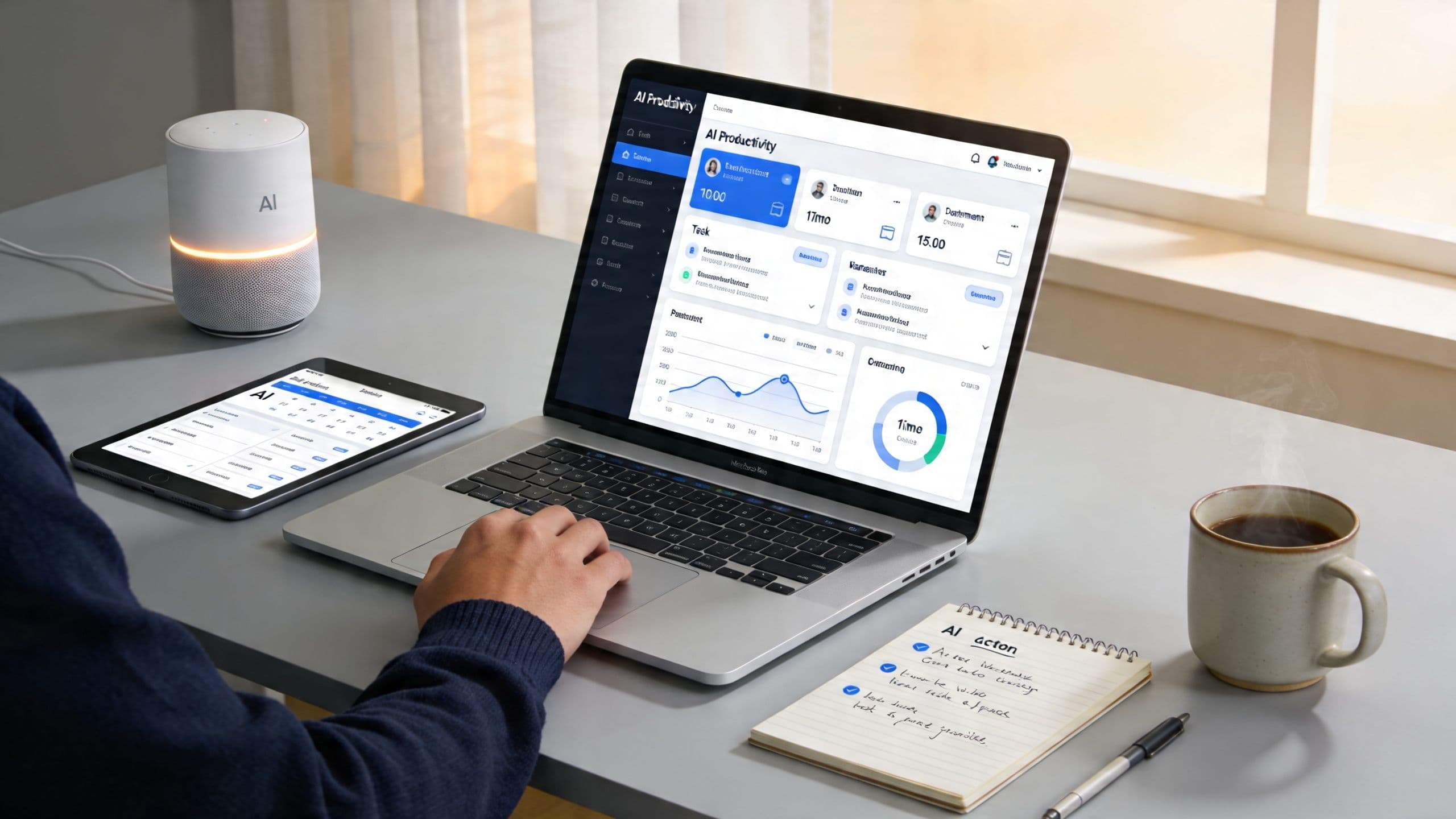
AI Tools That Make Life Easier: Practical Innovations Transforming Everyday Work and Life
Explore how AI tools are simplifying daily tasks, enhancing productivity, and reshaping routines. From automation to intelligent assistants, discover practical AI innovations designed to improve work and personal life.
Jordan specializes in turning complex artificial intelligence topics into clear, useful explainers for everyday readers.

The Everyday Impact of AI Tools: Beyond the Buzzword
Artificial intelligence is no longer a futuristic concept confined to labs and sci-fi narratives. Today, AI tools are embedded in everyday applications designed to ease workloads, optimize routine tasks, and enhance decision-making. The challenge for many is identifying which AI tools genuinely make life easier—not just technology for technology’s sake.
Practical AI tools transform workflows across sectors—whether automating repetitive work, providing intelligent recommendations, or streamlining communication. Their value lies in usability and real-world effectiveness rather than hype. For instance, in 2023, McKinsey reported that AI-driven automation could boost productivity by 20-25% in administrative tasks alone, underscoring how these innovations translate to tangible time savings.
Productivity and Automation: AI Tools That Free Up Time
One key domain where AI tools shine is productivity enhancement. Tools like Otter.ai and Microsoft Dictate leverage AI to transcribe meetings and convert speech to text reliably, offloading tedious note-taking. This allows professionals to focus on discussion and decision-making.
Similarly, platforms such as Zapier and Make use AI-driven workflows to automate multi-step processes across apps without coding knowledge. For instance, automatically organizing emails, updating CRM entries, or syncing calendar events saves significant manual effort.
In content creation, AI assistants like Jasper and Copy.ai help generate drafts for blogs, marketing copy, or social media posts based on simple prompts. This shortens brainstorming and writing time, sparking inspiration while leaving room for human creativity.
Intelligent Personal Assistants: From Scheduling to Mental Wellness
AI-powered personal assistants have evolved beyond basic commands. Tools like Google Assistant, Amazon Alexa, and Apple's Siri integrate natural language understanding to manage complex daily schedules, set reminders, and provide contextual information.
Emerging AI apps such as Replika and Woebot focus on mental health, offering conversational agents that support emotional well-being through cognitive behavioral techniques and empathetic interactions. This accessibility to mental health resources highlights AI’s broader role in improving life quality.
Additionally, AI-driven email clients like Superhuman optimize inbox management by intelligently prioritizing messages and suggesting quick replies, reducing digital clutter and stress.
Smart Home and Lifestyle AI: Efficiency Meets Comfort
AI integration into smart home devices enhances both convenience and energy efficiency. Nest thermostats use machine learning to adapt heating and cooling based on occupant behavior, lowering utility costs without manual input.
Voice-activated assistants control lighting, appliances, and security systems, streamlining household management—whether parents, busy professionals, or elderly users. Companies like August and Ring combine AI-powered video analytics with security monitoring for smarter safety solutions.
Fitness and wellness trackers armed with AI analyze activity patterns and biometric data to provide personalized exercise recommendations. Brands like Fitbit and Whoop make these insights accessible, fostering healthier lifestyles that align with individual goals.
Choosing the Right AI Tools: Considerations and Common Pitfalls
Selecting AI tools that genuinely simplify life requires critical evaluation:
Purpose Alignment: Tools should solve specific pain points rather than adding complexity. Evaluate the features that matter most for your workflow or lifestyle.
Usability and Integration: The AI must integrate smoothly with existing systems and be easy to learn. Friction reduces adoption and benefits.
Privacy and Security: Understand data handling policies, especially for tools dealing with sensitive personal or business information.
Overreliance Risks: AI augments human efforts but is not infallible. Double-check outputs for accuracy and avoid treating AI as a complete replacement for judgment.
A common error is chasing the newest or most hyped AI without assessing its practical implications. Additionally, ignoring the need for occasionally updating or revising AI-generated content or decisions can lead to errors or inefficiencies.
Embracing AI Tools for a Smarter, Easier Life
The growing maturity of AI tools presents unprecedented opportunities to enhance everyday work and life. When chosen thoughtfully, these technologies offer meaningful time savings, improved organization, and even better well-being.
As AI evolves, so will its applications—bringing more adaptive, personalized, and seamless experiences. Staying informed about developments and experimenting with tools thoughtfully enables individuals and organizations to unlock AI’s full potential without unnecessary risk or complexity.
Ultimately, the best AI tools are those that blend into routines unobtrusively, empowering users rather than overwhelming them. Exploring trusted products seen in industry reports and validated by user communities can guide effective adoption on the path to smarter living.
---
FAQ
What should readers understand first about AI tools that make life easier? Understanding that AI tools are designed to augment human tasks by automating repetitive work, providing insights, or assisting decision-making is fundamental. Recognizing their purpose helps users set realistic expectations and identify where AI can add genuine value.
What are the most useful examples or use cases for AI tools that make life easier? Common practical examples include AI transcription services like Otter.ai, workflow automation with Zapier, intelligent email management apps like Superhuman, and smart assistants like Google Assistant. Each saves time and reduces cognitive load in specific areas.
What mistakes should I avoid with AI tools that make life easier? Avoid overreliance on AI outputs without verification, neglecting privacy implications, and adopting tools that do not fit your actual needs. Also, overlooking the importance of training and familiarization can limit their effectiveness.
Safety & Scope
This article is for general informational purposes and does not replace professional advice for complex repairs or installations.
Frequently Asked Questions
+What should readers understand first about ai tools that make life easier?
Understanding that AI tools are designed to augment human tasks by automating repetitive work, providing insights, or assisting decision-making is fundamental. Recognizing their purpose helps users set realistic expectations and identify where AI can add genuine value.
+What are the most useful examples or use cases for ai tools that make life easier?
Common practical examples include AI transcription services like Otter.ai, workflow automation with Zapier, intelligent email management apps like Superhuman, and smart assistants like Google Assistant. Each saves time and reduces cognitive load in specific areas.
+What mistakes should I avoid with ai tools that make life easier?
Avoid overreliance on AI outputs without verification, neglecting privacy implications, and adopting tools that do not fit your actual needs. Also, overlooking the importance of training and familiarization can limit their effectiveness.