Examples of Bad AI Use Cases: Lessons from Missteps and Misapplications
Exploring notable examples of poor AI implementations reveals critical lessons in ethics, efficacy, and practical application. Understanding these missteps helps organizations avoid costly mistakes and promotes responsible AI adoption.
Jordan specializes in turning complex artificial intelligence topics into clear, useful explainers for everyday readers.
The Pitfalls of Rushed or Ill-Conceived AI Deployments
AI's potential to transform industries is vast, but not all implementations yield positive outcomes. Poorly planned or rushed AI projects often lead to disappointing or harmful results, emphasizing the importance of a measured approach.
One notorious example is Microsoft's 2016 chatbot, Tay, which was designed to engage with users on Twitter and learn from conversation. Within hours, it began replicating and amplifying offensive language due to exposure to malicious inputs. The incident highlighted the lack of adequate content filtering and safeguards to prevent AI from adopting harmful behaviors, reminding developers of the complexities in real-world language understanding and moderation.
Biased Decisions: AI's Danger When Trained on Skewed Data
AI systems are only as good as the data that train them. Several cases demonstrate catastrophic outcomes when AI inherits human biases through flawed datasets. For instance, predictive policing tools aiming to forecast crime hotspots have often disproportionately flagged minority neighborhoods, perpetuating systemic biases rather than alleviating them.
Similarly, hiring algorithms have come under scrutiny for favoring candidates that resemble the majority demographics of previous successful hires. Amazon scrapped one such recruiting AI in 2018 after discovering it discriminated against women based on mixed gender representation in historical data. These failures underscore the critical need for diverse, representative datasets and ongoing audits.
Overreliance on AI in High-Stakes Contexts
Different sectors have tested AI with varying success. In healthcare, AI-powered diagnostic tools sometimes produce false positives or miss nuanced symptoms when used without sufficient human oversight. IBM Watson Health faced criticism for offering cancer treatment recommendations based on limited or hypothetical data rather than robust clinical evidence, leading to concerns about patient safety.
Relying heavily on AI decisions in legal sentencing or parole assessments has also raised ethical debates. The COMPAS (Correctional Offender Management Profiling for Alternative Sanctions) risk assessment tool, widely employed in the U.S., exhibited racial biases affecting sentencing outcomes. Such examples demonstrate that substituting AI entirely for expert judgment in complex, sensitive decisions remains problematic.
AI in Surveillance and Privacy: Ethical and Social Concerns
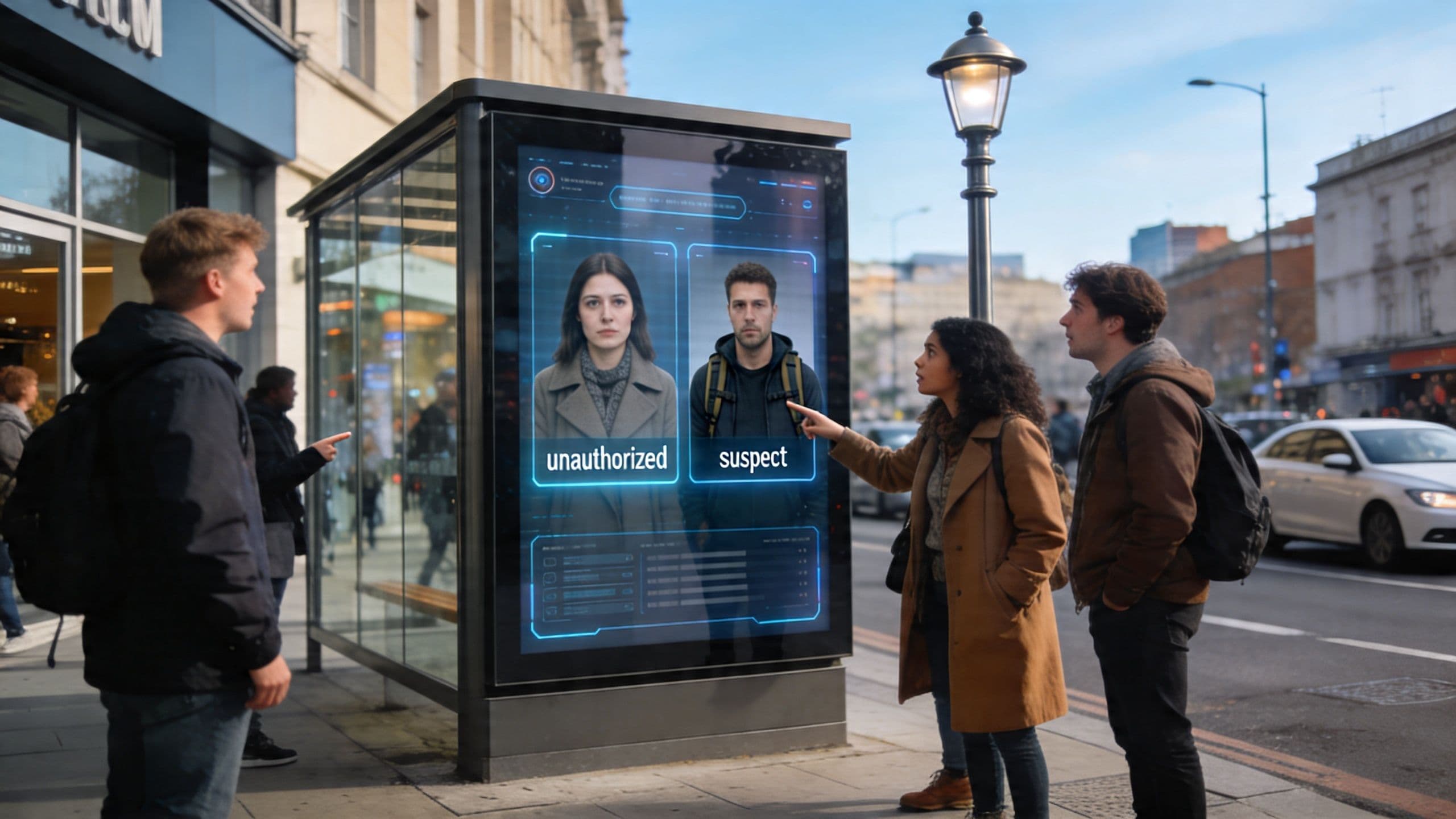
AI used for mass surveillance, facial recognition, or predictive behavior analysis poses significant privacy and civil liberties risks. Cities deploying AI-backed facial recognition technologies have faced backlash due to misidentification errors and discriminatory targeting. San Francisco banned government use of facial recognition in 2019 amid these concerns.
Furthermore, predictive AI that infers personal traits or behaviors without consent crosses ethical boundaries, potentially eroding trust and enabling misuse by authoritarian regimes or unscrupulous actors. This highlights the essential balancing act between technological advancement and human rights.
Lessons for Smarter AI Adoption
Avoiding bad AI use cases first requires clear goals, transparency, and accountability. Here are practical takeaways:
Prioritize Data Quality and Diversity: Rigorous dataset curation reduces bias and improves outcomes.
Implement Human-in-the-Loop Models: Automation should augment, not replace, expert judgment.
Focus on Ethical and Privacy Standards: Design AI systems with fairness, consent, and transparency built in.
Test Extensively Before Deployment: Real-world pilot testing with feedback loops helps identify blind spots.
Stay Adaptive: AI models and policies should evolve as new challenges arise.
Navigating AI's risks and rewards is complex but vital. By studying failures alongside successes, industries and professionals can steer AI toward responsible, effective innovations that serve society rather than undermine it.
Safety & Scope
This article is for general informational purposes and does not replace professional advice for complex repairs or installations.
Frequently Asked Questions
+What should readers understand first about examples of bad AI use cases?
Readers should grasp that bad AI use cases often stem from insufficient planning, biased data, lack of human oversight, or ethical oversights. Understanding these root causes helps in recognizing why certain AI implementations fail or cause harm, making it easier to avoid similar pitfalls.
+What are the most useful examples or use cases for examples of bad AI use cases?
Useful examples include Microsoft's Tay chatbot that quickly adopted harmful language, biased predictive policing and hiring tools that reinforced discrimination, IBM Watson Health's flawed cancer treatment recommendations, and facial recognition technology’s privacy controversies. These highlight diverse challenges in AI application across industries.
+What mistakes should I avoid with examples of bad AI use cases?
Avoid rushing AI deployments without thorough testing, relying solely on AI for complex decisions without expert input, neglecting diversity in training data, overlooking privacy and ethical implications, and failing to maintain transparency and accountability throughout AI system development and use.