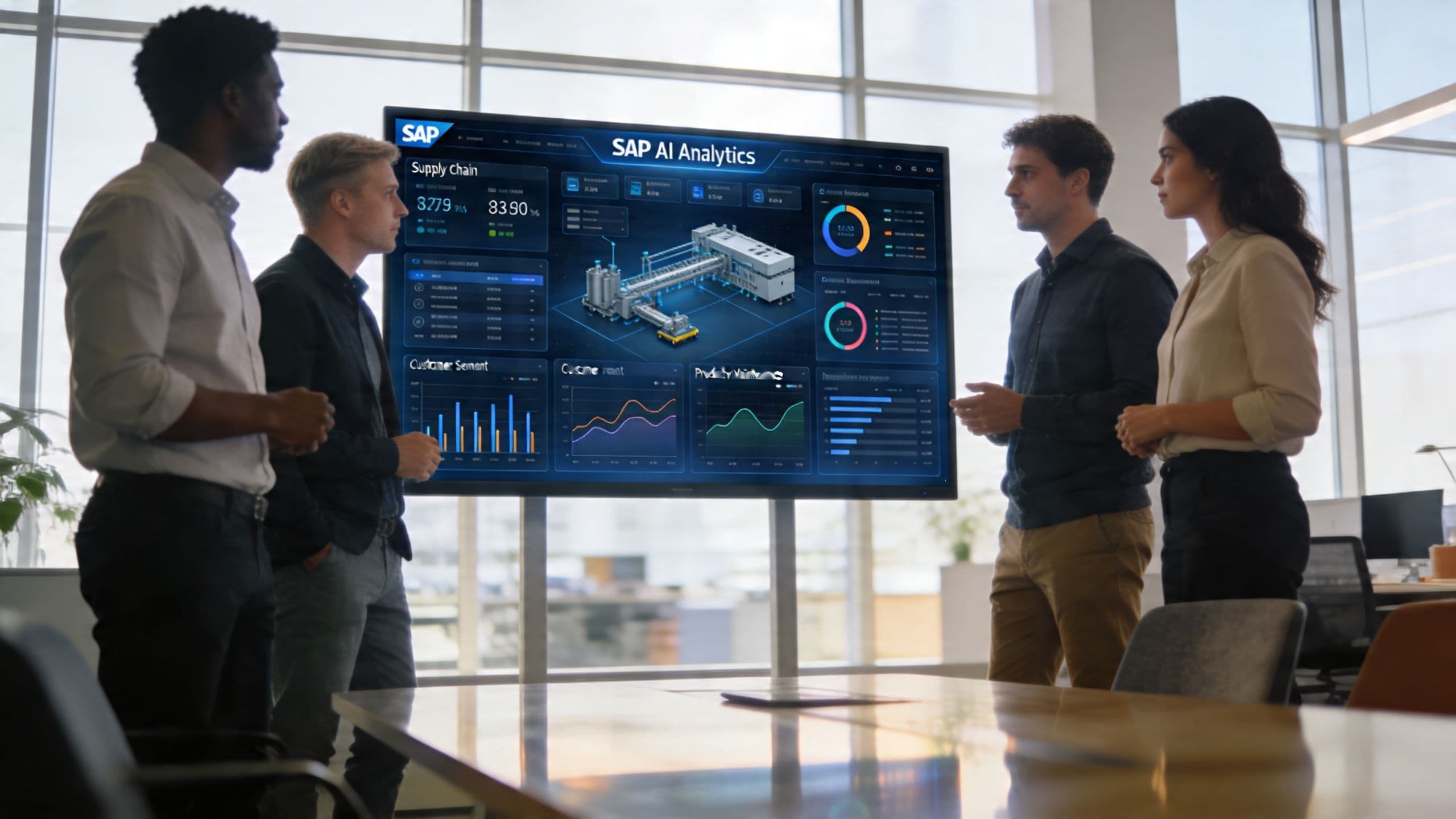
AI in Transportation: Benefits, Use Cases, and Real-World Examples
Artificial intelligence is transforming transportation by enhancing safety, efficiency, and sustainability. Explore the practical AI applications revolutionizing how people and goods move across the globe.
Maya covers artificial intelligence with an emphasis on practical analysis, products, and real-world impact.
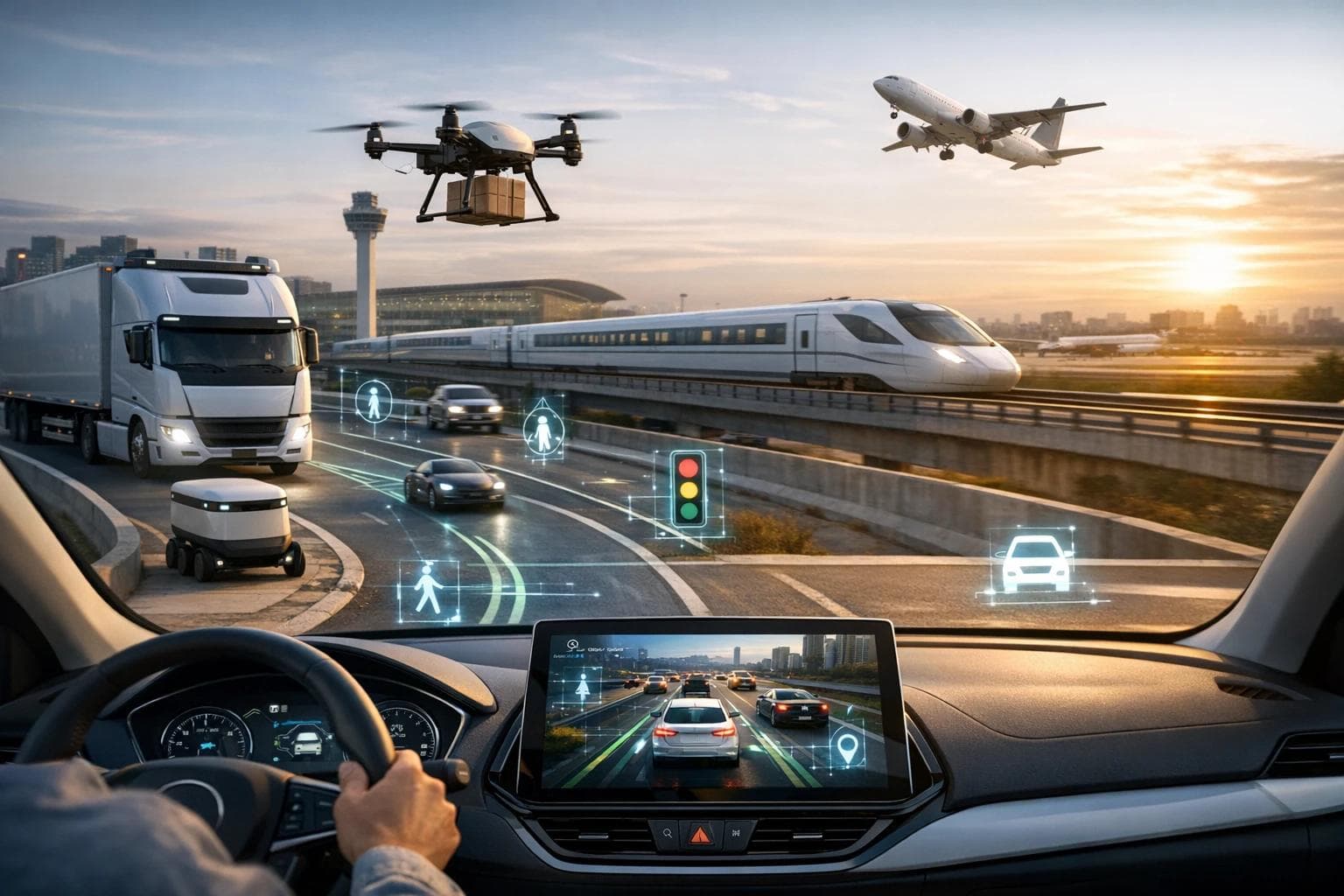
Transforming Transportation through Artificial Intelligence
Transportation networks worldwide are undergoing a profound shift powered by artificial intelligence (AI). From reducing traffic congestion and lowering emissions to optimizing logistics and enhancing passenger safety, AI's role in transportation is rapidly expanding. This article sheds light on the tangible benefits AI delivers, spotlights real-world applications, and examines best practices to maximize impact.
Key Benefits of AI in Transportation
AI integration in transportation yields multifaceted advantages:
Improved Safety: AI-driven systems like advanced driver-assistance, predictive maintenance, and intelligent traffic monitoring help prevent accidents and reduce human error.
Operational Efficiency: AI optimizes route planning, fleet management, and scheduling, significantly trimming downtime and resource consumption.
Traffic and Congestion Management: AI analyzes real-time data from various sensors and cameras to manage traffic flow, decrease bottlenecks, and adjust signal timings dynamically.
Enhanced Passenger Experience: Personalized travel recommendations and real-time updates powered by AI improve convenience and journey quality.
Sustainability: By optimizing routes and reducing idle times, AI contributes to lowering carbon emissions and fuel consumption.
Prominent Use Cases in AI-Enabled Transportation
Autonomous Vehicles and Driver Assistance
Self-driving cars are the poster child of AI’s impact on transportation. Companies like Waymo, Tesla, and Cruise are advancing autonomous vehicle technology that relies on AI algorithms to process sensor data, make driving decisions, and navigate complex environments safely. Even semi-autonomous features — such as Tesla’s Autopilot and GM’s Super Cruise — harness AI to assist drivers with lane-keeping, adaptive cruise control, and emergency braking.
Intelligent Traffic Management Systems
Cities globally implement AI-powered traffic management. For instance, Los Angeles employs an AI-driven system to manage its extensive traffic light network, optimizing cycle lengths based on real-time traffic patterns to reduce waiting times and emissions. These systems utilize machine learning models to forecast congestion and adapt signal timings, potentially cutting urban traffic delays by 20-30%.
Freight and Supply Chain Optimization
AI optimizes freight transport by analyzing diverse data points—such as traffic conditions, weather, and shipment urgency—to suggest viable, cost-effective routes and schedules. Firms like DHL and UPS incorporate AI-driven predictive analytics for demand forecasting, load optimization, and dynamic routing, substantially increasing on-time deliveries while lowering fuel expenses.
Predictive Maintenance for Transportation Assets
Transportation infrastructure and vehicle fleets benefit from AI-enabled predictive maintenance that monitors components' health in real-time. Airlines, rail operators, and delivery companies deploy sensor data fused through AI models to predict failures before they occur, reducing service interruptions. For example, GE Transportation utilizes AI to analyze locomotive sensor data, enhancing reliability and cutting maintenance costs.
Personalized and Multimodal Travel
Emerging AI applications enable personalized travel planning that blends various transport modes — like buses, trains, bike-sharing, and ride-hailing — into one seamless itinerary. Apps using AI recommend routes based on individual preferences, real-time disruptions, and environmental impact, supporting informed traveler decisions.
Practical Considerations and Pitfalls to Avoid
Despite its promise, deploying AI in transportation demands careful attention to some key factors:
Data Quality and Bias: AI systems depend on accurate, diverse, and representative data to perform reliably. Poor or biased data can lead to flawed decisions or unsafe conditions.
Ethical and Safety Regulations: Especially for autonomous vehicles, rigorous testing and compliance with evolving safety standards are non-negotiable.
Cybersecurity Threats: Transportation systems are attractive targets for cyberattacks; robust security measures must accompany AI adoption.
Integration Challenges: Legacy systems and infrastructure may not easily accommodate AI solutions without significant adaptation.
Looking Ahead: The Future of AI in Transportation
The convergence of AI with other technologies like 5G connectivity, edge computing, and Internet of Things (IoT) devices foreshadows even smarter, more interconnected transportation networks. Innovations such as AI-powered drone deliveries, real-time incident management through predictive analytics, and fully autonomous public transit systems lie on the horizon. As AI continues to mature, the transportation sector stands to gain safer, greener, and more efficient mobility worldwide.
Embracing AI tools and insights with a practical, responsible approach will be critical for policymakers, companies, and communities eager to unlock the next era of transportation innovation.
Safety & Scope
This article is for general informational purposes and does not replace professional advice for complex repairs or installations.
Frequently Asked Questions
+What should readers understand first about AI in transportation benefits, use cases, and examples?
Readers should grasp that AI enhances transportation by enabling smarter decision-making through data analysis, which leads to improved safety, efficiency, sustainability, and user experience across multiple modes and sectors within transportation.
+What are the most useful examples or use cases for AI in transportation benefits, use cases and examples?
Key examples include autonomous driving and advanced driver-assistance systems, intelligent traffic management that adapts signal timings in real-time, AI-powered route optimization for freight and logistics, predictive maintenance for vehicles and infrastructure, and personalized multimodal travel planning apps.
+What mistakes should I avoid with AI in transportation benefits use cases and examples?
Avoid relying on poor or biased data sets, neglecting rigorous safety regulations, underestimating cybersecurity risks, and overlooking integration challenges with existing infrastructure—all of which can undermine the effectiveness and safety of AI solutions in transportation.