Practical Insights: Real-World Examples of AI in Use Today
AI is reshaping industries by automating complex tasks, enhancing decision-making, and personalizing experiences. Explore concrete examples from healthcare, finance, retail, and more that illustrate how AI is transforming daily work and life.
Maya covers artificial intelligence with an emphasis on practical analysis, products, and real-world impact.

AI in Healthcare: Diagnosing and Personalizing Treatment
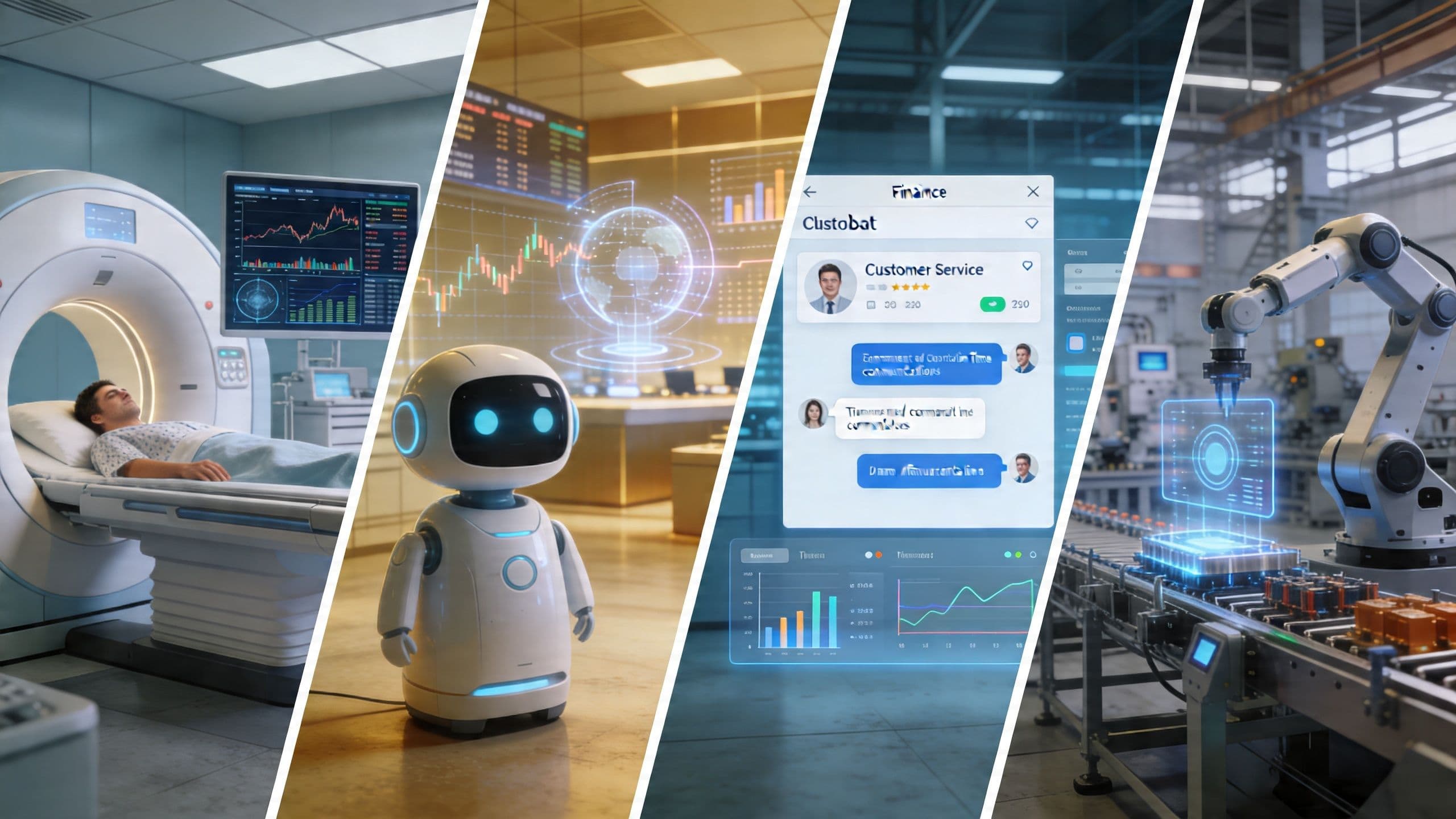
Artificial intelligence has made significant strides in healthcare, where precision and speed are critical. AI-powered diagnostic tools analyze medical images with greater accuracy and efficiency than traditional methods. For instance, Google's DeepMind has developed AI models that can detect eye diseases from retinal scans, aiding early diagnosis and treatment. Similarly, IBM Watson assists oncologists by suggesting personalized cancer treatment plans based on a patient’s unique genetic profile and medical history.
Beyond diagnostics, AI-driven predictive analytics forecast patient risks, enabling proactive interventions. Electronic Health Records (EHR) integrated with AI systems simplify patient management and reduce administrative burdens, allowing clinicians to focus more on care.
Financial Services: Fraud Detection and Intelligent Automation
The finance industry leverages AI extensively to enhance security and streamline operations. Machine learning algorithms detect unusual patterns across millions of transactions to flag potential fraud in real-time, outperforming manual systems that struggle with volume and complexity.
Robo-advisors, such as Betterment and Wealthfront, provide automated investment advice based on AI analysis of market conditions and individual risk profiles, democratizing access to sophisticated financial planning.
Banks also employ AI-powered chatbots to handle customer inquiries 24/7, improving service speed and reducing costs. Additionally, AI assists in credit scoring by evaluating diverse data points, resulting in more accurate and fair lending decisions.
Retail and E-Commerce: Personalized Experiences and Inventory Optimization
AI algorithms in retail customize shopping experiences by analyzing consumer behavior, purchase history, and browsing patterns. Amazon's recommendation engine, for example, drives a significant portion of sales by suggesting relevant products dynamically.
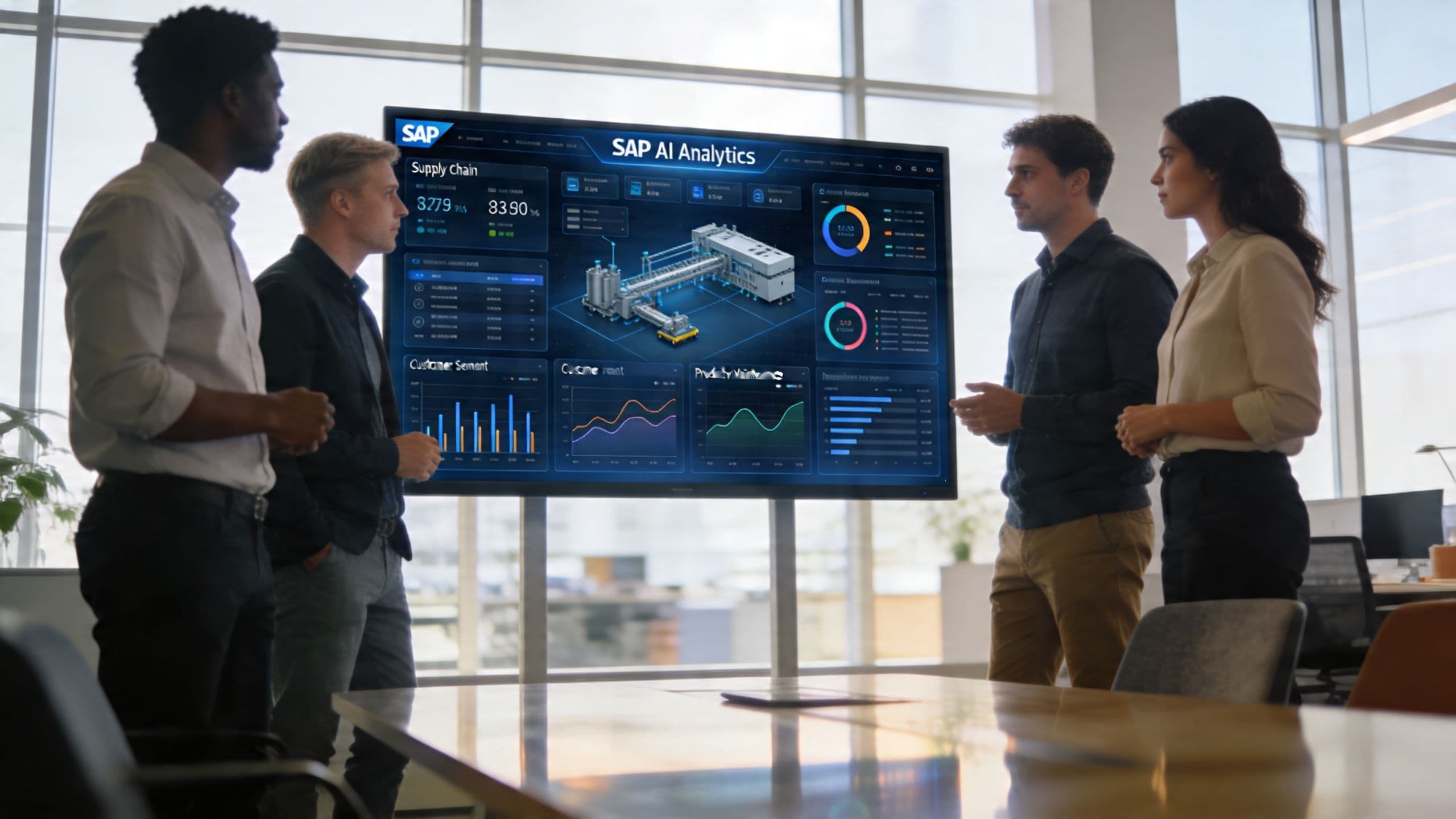
Inventory management benefits from AI-driven demand forecasting that accounts for trends, seasonality, and external factors, minimizing stockouts and overstocks. Walmart uses AI to optimize its supply chain, improving delivery times and reducing costs.
Furthermore, AI-powered chatbots and virtual assistants enhance customer engagement by answering questions, facilitating purchases, and resolving issues instantly.
AI in Transportation and Logistics: Efficiency and Safety Enhancements
The transportation sector employs AI to optimize routing and scheduling, reducing fuel consumption and delivery times. UPS’s ORION system uses AI to plan efficient daily routes, saving millions of miles and gallons of fuel annually.
Autonomous vehicles, although still evolving, showcase AI’s potential to revolutionize transport safety and accessibility. Companies like Tesla and Waymo continuously improve self-driving capabilities using AI-driven perception and decision-making systems.
In logistics, AI automates warehouse sorting and packing, speeding up fulfillment processes and reducing errors. Drones for last-mile delivery, powered by AI navigation, are also emerging as innovative solutions to logistical challenges.
Creative Industries: Generating Content and Augmenting Creativity
AI’s role in creative fields is expanding rapidly. Tools such as OpenAI’s GPT models generate text—including articles, reports, and marketing copy—that assist writers and marketers in brainstorming and content creation.
In music and visual art, AI algorithms compose melodies, generate artwork, and even create style transfer effects that blend different artistic genres. Adobe’s AI-powered Sensei platform helps designers automate routine tasks, freeing time for more complex creative efforts.
This democratization of creativity through AI enables individuals without formal training to produce professional-quality content and accelerates innovation in creative workflows.
Understanding AI’s Broader Impact and Practical Considerations
While AI applications vary widely, the common thread is their augmentation of human capabilities—handling data-heavy, repetitive, or complex tasks. For readers exploring AI adoption, understanding the context, data quality, and ethical considerations is paramount.
Avoid common pitfalls such as over-reliance on AI outputs without human oversight, ignoring bias in training data, and underestimating the need for ongoing monitoring and updates. Effective integration of AI involves aligning tools with clear objectives and maintaining transparency.
The future of AI points toward more seamless integration into everyday tools and environments, making it vital for professionals across sectors to stay informed about evolving AI applications and best practices.
This practical lens on AI examples underscores its transformative potential across industries, helping readers envision how AI might enhance their own work and daily lives.
Safety & Scope
This article is for general informational purposes and does not replace professional advice for complex repairs or installations.
Frequently Asked Questions
+What should readers understand first about what are some examples of AI in use?
Readers should grasp that AI is not a single technology but a diverse set of tools and techniques applied across many fields—from healthcare diagnostics to financial fraud detection. The key is recognizing how AI augments human work by analyzing large datasets, automating routine tasks, and providing decision support.
+What are the most useful examples or use cases for what are some examples of AI in use?
Some of the most impactful AI uses include medical imaging analysis in healthcare, fraud detection in finance, personalized product recommendations in retail, routing optimization in logistics, and content generation in creative industries. These applications demonstrate AI’s ability to improve accuracy, efficiency, and user experience.
+What mistakes should I avoid with what are some examples of AI in use?
Common mistakes include relying solely on AI outputs without human validation, neglecting data quality and bias issues, underestimating the complexity of integrating AI into existing workflows, and ignoring ethical or privacy concerns. Successful AI use requires careful planning, transparency, and ongoing oversight.