Decoding Common Faults with AirPods: What AI Users Should Know
AirPods are celebrated for their convenience and smart design, but like all tech, they encounter faults that can disrupt usage. For AI professionals relying on these devices during remote collaborations, understanding these common issues is crucial. This article breaks down typical AirPods faults, their causes, and pra
Jordan specializes in turning complex artificial intelligence topics into clear, useful explainers for everyday readers.
Why AirPods Matter in an AI-Driven Workspace
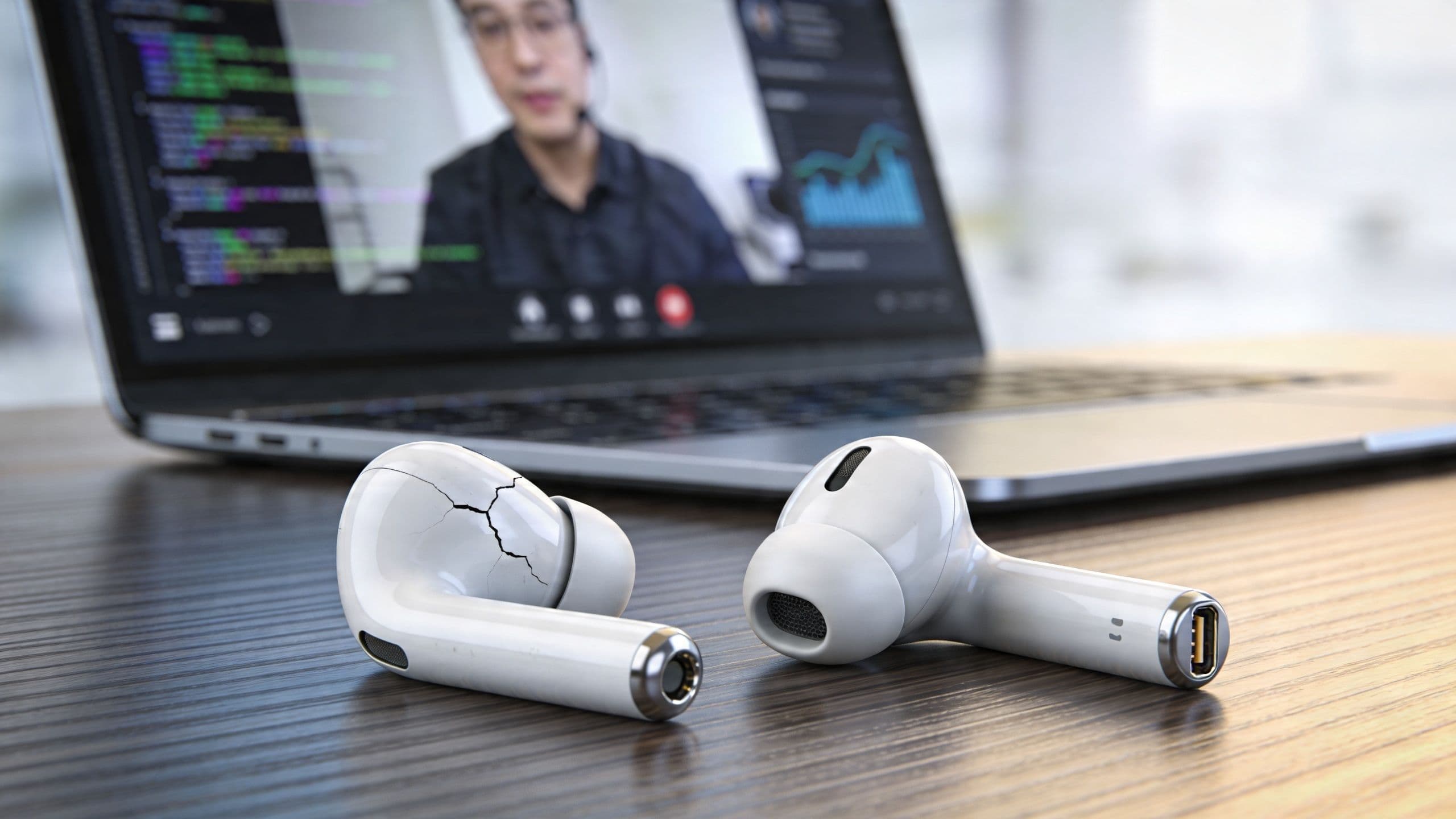
With AI technologies transforming how professionals collaborate, seamless communication tools like AirPods have become indispensable. Their wireless convenience and smart features align well with the dynamic needs of data scientists, developers, and AI strategists who work remotely, attend virtual seminars, or engage in intensive audio analysis. However, despite their sophistication, AirPods are not immune to faults that can frustrate users and disrupt productivity.
Identifying Frequent AirPods Faults and Their Underlying Causes
Battery Drain and Charging Issues
One of the most common complaints involves quick battery depletion or troubles charging the AirPods or their case. This can stem from aging lithium-ion batteries, firmware glitches, or dirt and debris in charging ports. In AI environments, unexpected disconnections during critical meetings can hamper collaboration, necessitating user awareness of battery health. Regularly checking battery status via device indicators, resetting firmware, or cleaning contacts can alleviate these problems.
Connectivity Fluctuations and Bluetooth Interruptions
The hallmark of AirPods is their instant Bluetooth connectivity. Yet, users report issues like intermittent pairing, dropouts, or delayed syncing. These faults often result from wireless interference, outdated firmware, or device compatibility conflicts. For AI practitioners juggling multiple Bluetooth peripherals or working in signal-dense environments (labs, co-working spaces), managing device settings and updating software promptly is vital.
Audio Quality Degradation and Sensor Failures
Audio clarity is critical for AI professionals attending webinars or analyzing speech datasets. Common faults involve muffled sound, imbalance between earbuds, or sensors failing to detect placement in the ear. These problems may be due to earwax buildup, hardware damage, or sensor calibration errors. Regular cleaning and software resets, alongside ensuring a proper fit, mitigate such troubles.
Firmware Bugs and Software Glitches
AirPods firmware updates introduce enhancements but sometimes result in compatibility issues or unexpected bugs. Users might experience random disconnections, reduced microphone sensitivity, or failure to activate features like automatic ear detection. AI developers are encouraged to monitor update notes from Apple and apply firmware upgrades carefully, balancing new features against potential instability.
Practical Troubleshooting Strategies for AI Users
Routine Maintenance: Clean AirPods and charging case regularly to prevent debris-related issues.
Firmware Management: Keep firmware updated but consider delaying updates if critical workflows depend on stability.
Connectivity Environment: Minimize wireless interference by turning off unnecessary Bluetooth devices nearby.
Battery Care: Avoid extreme temperatures and fully discharge/charge batteries periodically to preserve longevity.
Reset and Re-Pair: If faults persist, performing a factory reset and re-pairing with devices often resolves hidden errors.
Balancing Convenience Against Potential Service Limitations
While AirPods offer integration advantages with Apple ecosystems, users should recognize trade-offs. Repair services may be costly, and out-of-warranty replacements can impact budget-conscious AI professionals. Considering third-party wireless earbuds offering serviceability or alternative features might be prudent depending on project demands.
---
AirPods, integral in modern AI workflows, come with faults that tech-savvy users can anticipate and mitigate. Awareness of typical issues like battery depletion, connectivity hiccups, audio quality problems, and firmware glitches empowers AI professionals to maintain clear communication lines. Proactive troubleshooting and informed usage ensure these smart earbuds remain reliable tools in an increasingly AI-driven world.
Safety & Scope
This article is for general informational purposes and does not replace professional advice for complex repairs or installations.
Frequently Asked Questions
+What should readers understand first about common faults with AirPods?
AirPods are sophisticated wireless devices but can experience predictable issues due to hardware wear, environmental factors, or software glitches. Understanding the nature of these faults—such as battery degradation, connectivity problems, or sensor errors—helps users diagnose and address problems effectively.
+What are the most useful examples or use cases for common faults with AirPods?
Common faults often occur during critical AI-driven tasks like virtual meetings, coding sessions, or real-time data analysis where audio clarity and stable connections are essential. For instance, sudden Bluetooth dropouts can disrupt remote AI collaborations, while battery issues might interrupt prolonged work periods.
+What mistakes should I avoid with common faults with AirPods?
Avoid ignoring firmware updates or delaying them indefinitely, as they often contain important fixes. Likewise, don’t overlook regular cleaning or maintenance, as this can exacerbate connectivity and audio problems. Finally, avoid attempting unauthorized repairs that may void warranties or damage the device.