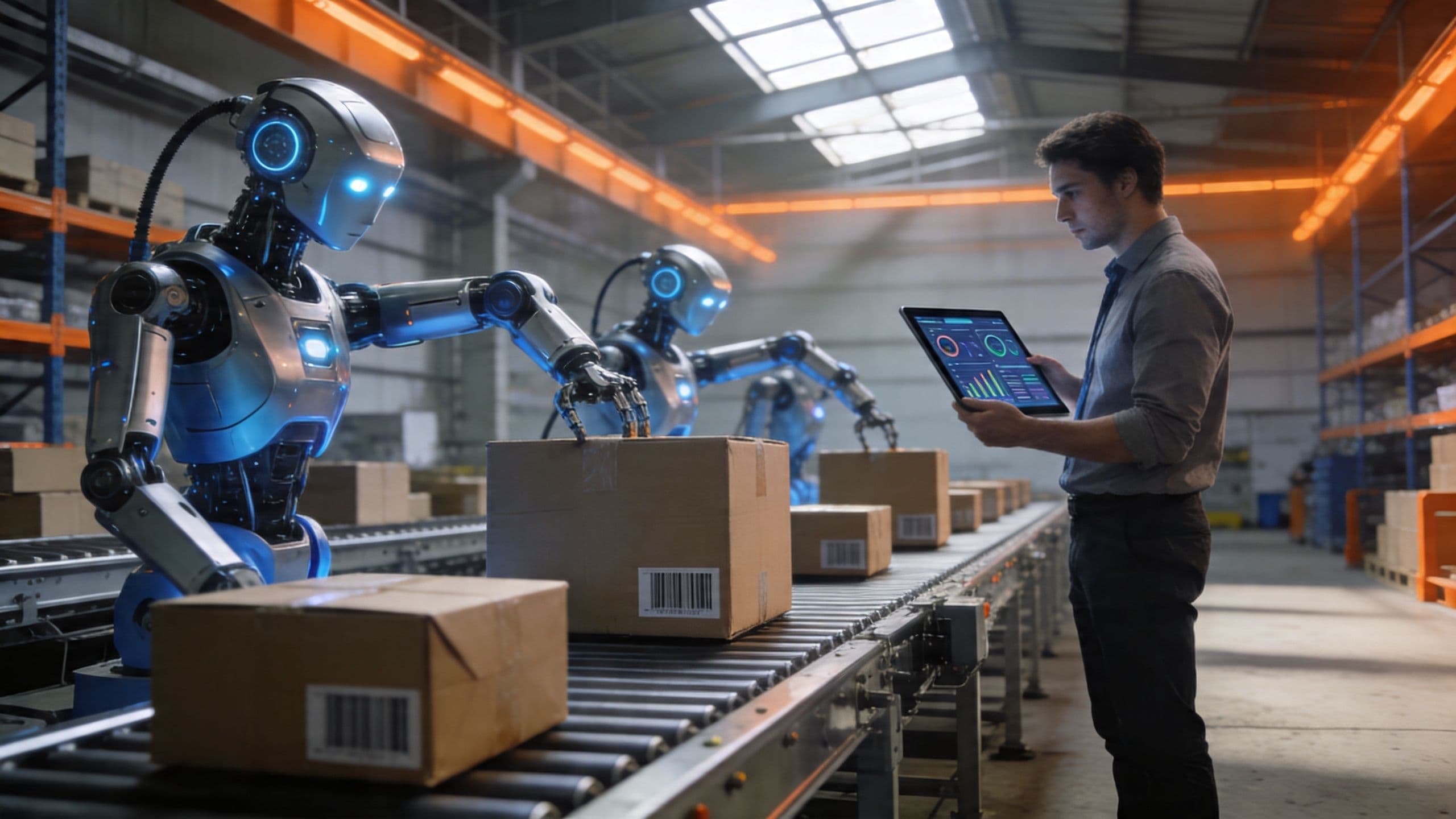
How We Are Using AI in Everyday Life: Practical Insights and Real-World Applications
Artificial intelligence has transitioned from a niche technological concept to an integral part of daily routines. This article explores the concrete ways AI is embedded in everyday life, from personalized digital assistants to healthcare innovations and smart home systems, illuminating its practical impact.
Avery writes about trends, platforms, and strategic shifts in artificial intelligence, with attention to what matters in practice.
The Ubiquity of AI: Beyond the Hype
Artificial intelligence (AI) is no longer confined to futuristic forecasts or science fiction stories; it is embedded deeply within the fabric of our daily lives. From optimizing mundane tasks to enhancing complex decision-making processes, AI has become a pervasive force driving efficiencies and new capabilities. Understanding how AI integrates into everyday life helps demystify the technology and equips users to harness its benefits responsibly.
Personalized Digital Assistants and Smart Interfaces
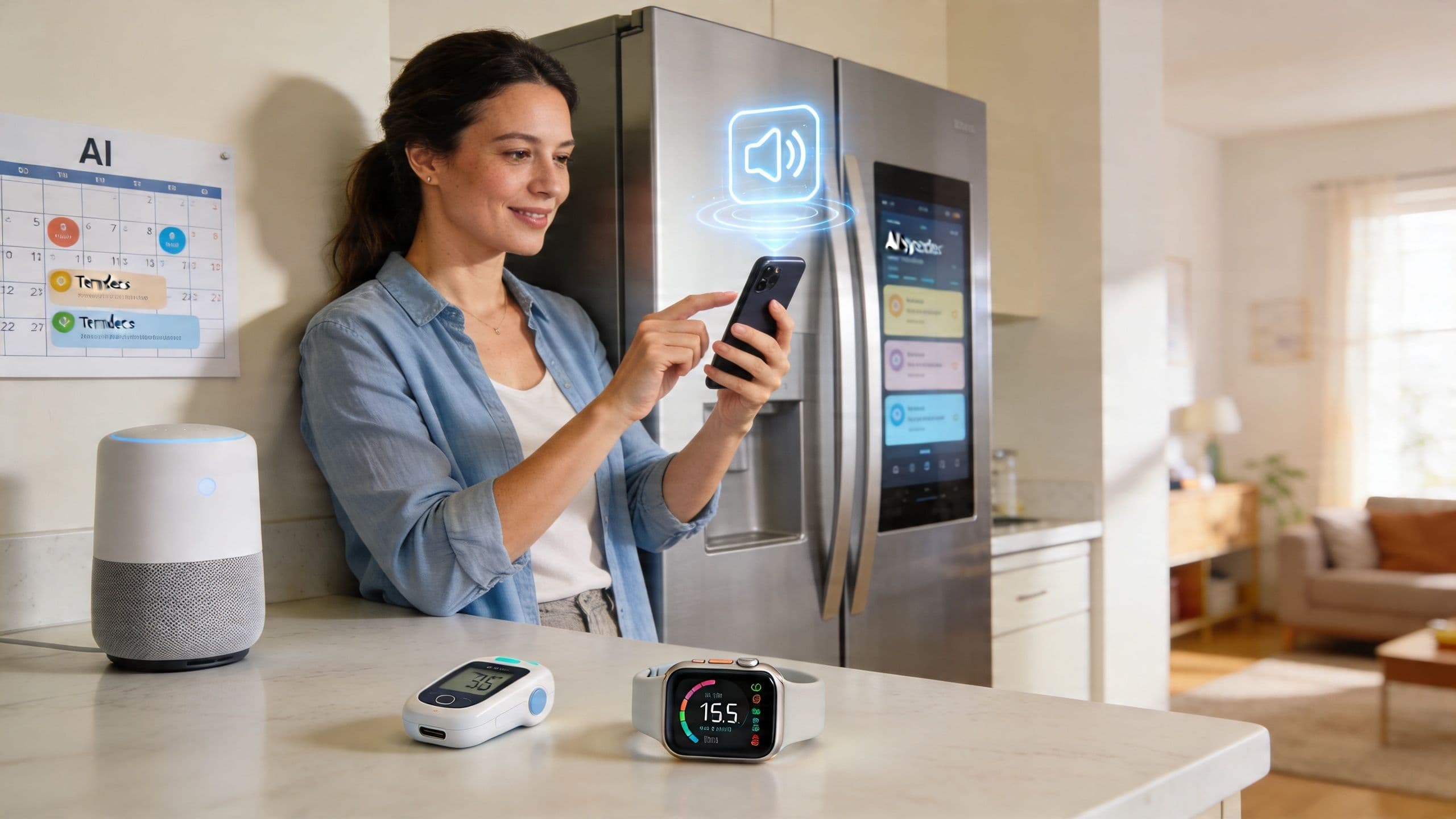
One of the most visible AI applications manifests in the devices and applications many people interact with daily. Voice-activated digital assistants such as Apple’s Siri, Amazon’s Alexa, Google Assistant, and Microsoft’s Cortana leverage natural language processing and machine learning to offer personalized, hands-free user experiences. These AI systems understand user intent, manage reminders, answer queries, and even control connected smart home devices.
Smartphones incorporate AI-powered suggestions in messaging apps, photo organization, and predictive typing. Features such as Google Photos' ability to tag and categorize images or the autofill and autocomplete in search engines enhance user efficiency based on learning from previous inputs and context.
AI in Healthcare: From Diagnostics to Patient Care
Healthcare is revolutionized by AI in multiple fronts, some of which impact daily life directly or indirectly. Machine learning algorithms analyze medical images to aid radiologists in detecting diseases like cancer earlier and with more precision. AI-driven apps help manage chronic conditions by monitoring vital statistics in real-time and alerting patients or healthcare providers when anomalies arise.
Telemedicine platforms increasingly incorporate AI chatbots for preliminary symptom checking and triage, reducing waiting times and optimizing resource allocation. Wearable health devices with AI algorithms track fitness levels and recommend personalized exercise or diet adjustments, making healthcare more proactive than reactive.
Smart Homes and IoT: The Connected Living Experience
The rise of the Internet of Things (IoT) devices equipped with AI capabilities transforms how people interact with their living spaces. Smart thermostats like Nest learn household patterns to optimize heating and cooling schedules, reducing energy waste and costs. AI-powered security cameras provide facial recognition features and real-time alerts, improving home security.
Refrigerators can monitor inventory and suggest shopping lists or recipes based on remaining ingredients. Meanwhile, smart lighting systems adjust brightness and color temperature based on time of day and user preferences, improving comfort and mood. These systems collectively create environments that intuitively respond to occupants’ needs.
AI in Transportation and Mobility
AI-driven technologies are reshaping transportation modes that many rely on daily. Navigation apps such as Waze and Google Maps utilize real-time data and AI models to predict traffic patterns, suggest optimal routes, and minimize travel time. Ride-sharing companies apply AI algorithms to match passengers with drivers efficiently, optimize pricing, and improve customer experience.
Autonomous vehicle technologies, while still emerging, increasingly use AI to augment driver assistance systems with features like adaptive cruise control, lane-keeping assistance, and automatic emergency braking, enhancing road safety.
Everyday AI Use Cases in Finance and Shopping
Financial applications benefit from AI by providing fraud detection, personalized banking services, and investment advice. Chatbots in banking apps help users execute transactions or troubleshoot issues without human intervention.
E-commerce platforms use AI to recommend products tailored to consumers’ browsing and purchase history, significantly influencing shopping habits. AI-powered virtual try-ons and augmented reality experiences enable buyers to preview products such as clothing or furniture before purchasing, blurring lines between digital and physical retail.
Key Takeaways and Practical Considerations
While AI offers tangible improvements across daily activities, users should be mindful of privacy, data security, and potential biases embedded in algorithms. Understanding where AI is applied helps users critically evaluate its outputs and maintain control over their data.
As AI technology continues to evolve, seeking out reputable sources and staying informed about its capabilities and limitations will empower individuals to integrate AI tools beneficially. Simple steps like configuring privacy settings on AI devices and questioning AI recommendations promote safer, more effective use.
AI’s presence in everyday life is no longer an abstract concept but a reality shaping how we work, communicate, and manage our environments. Embracing AI thoughtfully promises to enhance personal productivity, health, and convenience in the years ahead.
Safety & Scope
This article is for general informational purposes and does not replace professional advice for complex repairs or installations.
Frequently Asked Questions
+What should readers understand first about how we are using AI in everyday life?
The primary understanding is that AI is integrated seamlessly into many common technologies, often operating behind the scenes. It enhances user experiences by learning from data and adapting services without requiring specialized knowledge from the user.
+What are the most useful examples or use cases for how we are using AI in everyday life?
Key use cases include personalized digital assistants, AI-driven healthcare diagnostics and monitoring, smart home devices managing energy and security, AI-enhanced transportation navigation and safety systems, and AI-powered financial services and product recommendations in online shopping.
+What mistakes should I avoid with how we are using AI in everyday life?
Users should avoid blindly trusting AI outputs without understanding their basis, neglecting privacy settings on AI tools, and overlooking potential biases in AI-driven decisions. Additionally, overreliance without a critical perspective can lead to disengagement from important personal judgments or critical thinking.