How Are Businesses Using AI Today: Practical Applications and Emerging Trends
Artificial Intelligence (AI) is reshaping industries by streamlining operations, enhancing customer experiences, and enabling data-driven decisions. Explore how businesses across sectors leverage AI today, from marketing automation to supply chain optimization, and learn practical insights for adopting AI technologies.
Avery writes about trends, platforms, and strategic shifts in artificial intelligence, with attention to what matters in practice.
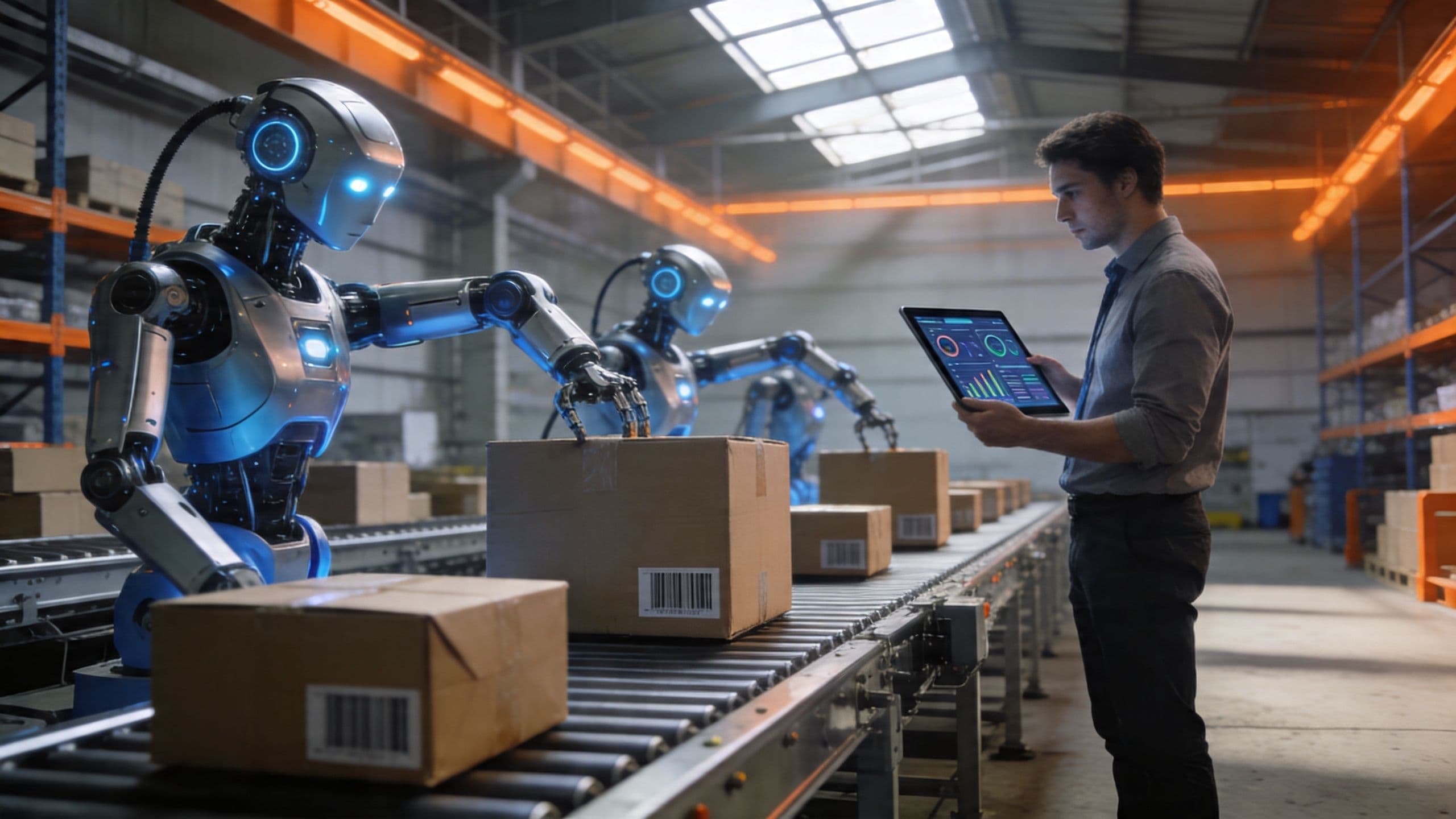
AI in Business: Beyond the Buzzword
Artificial Intelligence has swiftly moved from a futuristic concept to a critical driver of competitive advantage. Today, businesses deploy AI to transform core processes rather than simply experiment with novel technologies. This shift reflects the increasing maturity of AI tools and platforms, alongside growing organizational confidence in their capabilities.
Popular AI Use Cases Transforming Business Operations
Businesses deploy AI across a diverse range of functions, often with measurable impact on efficiency, revenue, and customer satisfaction.
Marketing and Customer Engagement
AI-powered marketing platforms analyze user data to deliver personalized experiences at scale. Tools like chatbots, recommendation engines, and automated content generation help businesses engage customers round the clock with tailored messaging. For instance, e-commerce giant Amazon uses AI algorithms to customize product recommendations, contributing significantly to sales growth.
Sales Forecasting and Lead Scoring
Sales teams leverage AI to prioritize leads and predict future revenue based on historical data patterns. Salesforce’s Einstein AI, integrated into its CRM platform, enables automated lead scoring and opportunity insights, helping sales reps focus on high-potential prospects.
Supply Chain and Inventory Management
AI optimizes supply chain logistics by forecasting demand, identifying bottlenecks, and automating procurement decisions. Companies like DHL utilize AI-driven analytics to improve delivery routes and reduce costs. AI also supports predictive maintenance to minimize downtime of critical machinery, enhancing operational resilience.
Human Resources and Talent Acquisition
Recruiting platforms incorporate AI to screen resumes, schedule interviews, and even analyze candidate responses for better fit assessments. IBM’s Watson Talent assists HR professionals by providing data-backed recommendations on hiring and employee retention strategies.
Financial Services and Risk Management
Banks and insurers deploy AI to detect fraudulent transactions, assess credit risks, and automate underwriting processes. Firms like JPMorgan Chase use AI models to analyze vast datasets, accelerating decision-making and reducing errors.
AI Tool Accessibility and Adoption Trends
The proliferation of no-code and low-code AI platforms, cloud-based AI services, and open-source frameworks has dramatically lowered entry barriers for businesses. Small and medium enterprises (SMEs) now experiment with AI chatbots, automated document processing, and predictive analytics without large upfront investments.
Large corporations often build custom AI models leveraging big data infrastructures, whereas startups tend to integrate existing AI APIs from providers such as Google Cloud AI or Microsoft Azure Cognitive Services. This democratization enables incremental innovation tailored to specific business challenges.
Common Challenges and Best Practices
Despite the promise, many organizations still struggle with AI integration due to issues like data quality, organizational readiness, and ethical considerations.
Data Silos and Quality: AI depends heavily on clean, accessible data. Businesses must invest in data governance and unifying disparate data sources.
Employee Training: AI adoption requires workforce upskilling to interpret AI outputs and collaborate effectively with automated systems.
Bias and Transparency: Ethical AI practices demand transparency in algorithms and mitigation of bias to ensure fair outcomes.
Successful AI initiatives often begin with clearly defined business objectives, pilot projects to validate use cases, and cross-functional teams collaborating on implementation.
Looking Ahead: The Future of AI in Business
Emerging trends such as generative AI, real-time predictive analytics, and AI-driven automation of complex decision-making processes signal further business transformation ahead. As AI models become more sophisticated and explainable, their integration into strategic workflows will deepen.
Businesses that adopt AI with intent—focusing on solving operational problems and enhancing human decision-making—will find themselves better positioned in an increasingly competitive market.
Emerging sectors, including healthcare and manufacturing, are accelerating AI deployments to innovate patient care and smart production lines respectively, underscoring AI’s broad and growing impact on business landscapes worldwide.
---
FAQ
What should readers understand first about how are businesses using AI today?
The crucial starting point is realizing AI is a tool for augmenting human capabilities and streamlining operations, not a magic solution. Effective AI adoption relies on good data, clear objectives, and alignment with business strategy.
What are the most useful examples or use cases for how are businesses using AI today?
Some standout uses include AI-driven customer service chatbots, personalized marketing recommendations, AI-based sales forecasting, supply chain optimization, and fraud detection in financial services.
What mistakes should I avoid with how are businesses using AI today?
Avoid jumping into AI without a clear problem to solve or adequate data. Rushing deployment without stakeholder buy-in, ignoring ethical considerations, and underestimating the need for employee training can all undermine AI effectiveness.
Conclusion
AI is no longer aspirational technology but a practical business imperative. With ongoing advances making AI more accessible and impactful, companies willing to invest prudently in adoption, governance, and workforce preparedness can unlock significant benefits. Whether fine-tuning customer engagement or optimizing complex logistics, the strategic use of AI today shapes the competitive companies of tomorrow.
Safety & Scope
This article is for general informational purposes and does not replace professional advice for complex repairs or installations.
Frequently Asked Questions
+What should readers understand first about how are businesses using AI today?
The crucial starting point is realizing AI is a tool for augmenting human capabilities and streamlining operations, not a magic solution. Effective AI adoption relies on good data, clear objectives, and alignment with business strategy.
+What are the most useful examples or use cases for how are businesses using AI today?
Some standout uses include AI-driven customer service chatbots, personalized marketing recommendations, AI-based sales forecasting, supply chain optimization, and fraud detection in financial services.
+What mistakes should I avoid with how are businesses using AI today?
Avoid jumping into AI without a clear problem to solve or adequate data. Rushing deployment without stakeholder buy-in, ignoring ethical considerations, and underestimating the need for employee training can all undermine AI effectiveness.