How AI Is Redefining the Way People Work Across Industries
Artificial intelligence is transforming workplaces with practical tools that enhance productivity, streamline processes, and shift job roles. From automating routine tasks to augmenting human creativity, AI's impact spans sectors and demands new skills and mindsets.
Jordan specializes in turning complex artificial intelligence topics into clear, useful explainers for everyday readers.
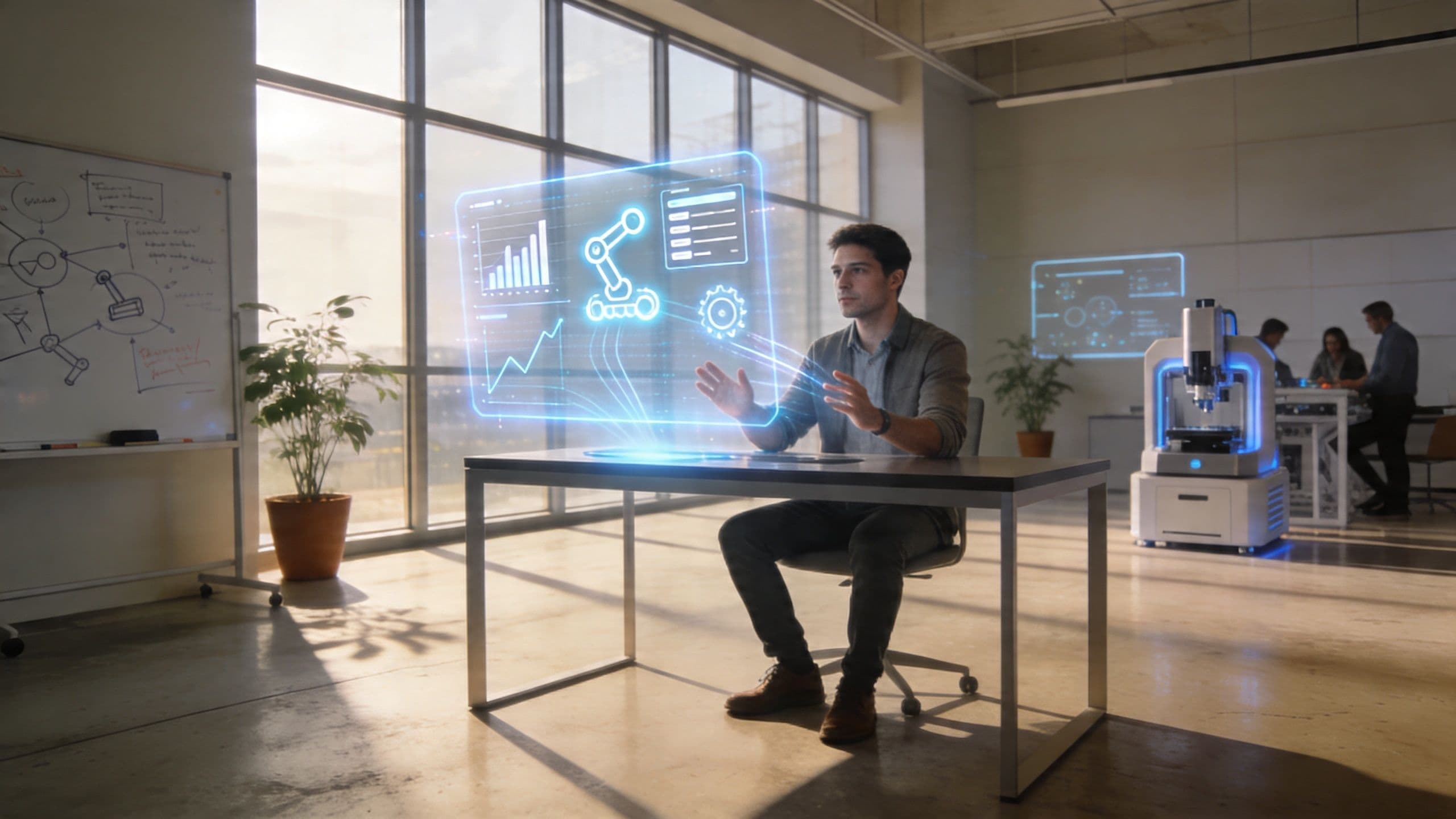
Practical AI: Revolutionizing Routine Tasks and Workflow Automation
Artificial intelligence excels at automating repetitive and time-consuming tasks, freeing employees to focus on higher-value work. For instance, AI-powered tools automate data entry, scheduling, and basic customer support interactions via chatbots. In industries like finance, AI algorithms process vast datasets for fraud detection or compliance monitoring far faster than humans. This shift not only accelerates workflows but also reduces human error and operational costs, creating leaner, more efficient workplaces.
Companies like UiPath and Automation Anywhere have pioneered robotic process automation (RPA) platforms that integrate AI capabilities to handle back-office operations. These tools link disparate systems, manage routine approvals, and generate reports without human intervention. The net effect is a profound change in how office work is structured—routine clerical duties are increasingly outsourced to AI, prompting workers to upskill or transition toward tasks that require critical thinking and interpersonal communication.
Augmentation Over Replacement: Enhancing Human Creativity and Decision-Making
While concerns about AI displacing jobs are common, the technology often serves as an augmentation rather than outright replacement. Creative industries illustrate this dynamic well. In marketing and design, AI tools like generative models assist with content creation, from producing draft copy to generating visual assets, helping creatives move faster and explore more ideas.
Similarly, decision-making benefits from AI-driven analytics that provide deeper insights from complex datasets. In healthcare, for example, AI assists doctors by analyzing medical images to identify anomalies missed by the naked eye, improving diagnosis accuracy. Rather than supplanting professionals, AI increasingly works as a collaborative partner that expands human capabilities.
Sector-Specific AI Adoption: Diverse Impacts Across Fields
The integration of AI varies significantly among industries, dictated by the nature of work and data availability. In manufacturing, AI-powered predictive maintenance monitors equipment condition to prevent costly downtime. Retail leverages AI for personalized recommendations and inventory optimization, enhancing customer experience and profitability.
The legal sector is also embracing AI for document review and legal research, dramatically cutting down hours of manual labor. Education utilizes adaptive learning platforms to tailor instruction to individual students’ needs, making learning more efficient and engaging.
Each sector faces unique challenges in AI adoption, including data privacy concerns, regulatory compliance, and workforce readiness. Successful integration requires balancing technical capabilities with ethical considerations and transparent communication.
Navigating the Workforce Transformation: Skills and Cultural Shifts
AI's impact extends beyond tools and tasks; it fundamentally reshapes workforce dynamics. As automation takes over routine activities, demand grows for skills like complex problem-solving, emotional intelligence, and AI literacy. Workers must adapt by pursuing continuous learning and flexibility in their roles.
Organizations play a critical role in facilitating this transition through reskilling programs and fostering cultures that embrace experimentation and collaboration with AI systems. For example, PwC’s Upskilling Hubs offer digital training focused on AI competencies to prepare employees for evolving job requirements.
Moreover, ethical deployment of AI requires cultivating awareness about algorithmic biases, data security, and transparency to maintain trust among employees and customers alike. Leadership commitment is vital to embedding responsible AI governance alongside technological innovation.
Looking Ahead: AI as a Catalyst for New Work Paradigms
The ongoing evolution of AI suggests it will continue to reshape how people work in profound ways. Rather than viewing AI solely as a disruptive force, organizations that strategically integrate AI stand to create more adaptive, efficient, and human-centered workplaces.
Practical next steps include piloting AI tools relevant to specific workflows, investing in workforce development, and establishing clear ethical frameworks. Increased AI adoption may also spur new job categories focused on AI management, data stewardship, and human-AI interaction design.
Ultimately, embracing AI's potential responsibly can unlock innovation and productivity gains while preserving the irreplaceable qualities of human judgment and creativity. As AI tools become ever more accessible, their real-world application continues to redefine the future of work across industries.
Safety & Scope
This article is for general informational purposes and does not replace professional advice for complex repairs or installations.
Frequently Asked Questions
+What should readers understand first about how is AI changing the way people work?
The primary understanding is that AI is automating routine and repetitive tasks, which allows workers to focus more on complex, creative, and interpersonal activities. This shift requires adapting skills and workflows to take advantage of AI's strengths while addressing challenges like ethical use and workforce training.
+What are the most useful examples or use cases for how is AI changing the way people work?
Key use cases include robotic process automation in administrative tasks, AI-assisted content creation in marketing, predictive maintenance in manufacturing, personalized learning in education, and enhanced diagnostic support in healthcare. These demonstrate AI's practical role in improving efficiency and augmenting human decision-making across sectors.
+What mistakes should I avoid with how is AI changing the way people work?
Common mistakes include underestimating the need for employee reskilling, neglecting ethical and privacy concerns, over-automating without human oversight, and ignoring the cultural shifts AI adoption demands. Successful implementation involves balanced integration with transparency, ongoing training, and clear governance.