Revolutionizing the Workplace: How AI is Changing the Way We Work
Artificial intelligence is transforming the modern workplace by enhancing productivity, reshaping job roles, and introducing new collaborative possibilities. This article explores specific AI-driven changes across industries and practical strategies to adapt to this evolving landscape.
Maya covers artificial intelligence with an emphasis on practical analysis, products, and real-world impact.
AI’s Role in Redefining Productivity and Efficiency
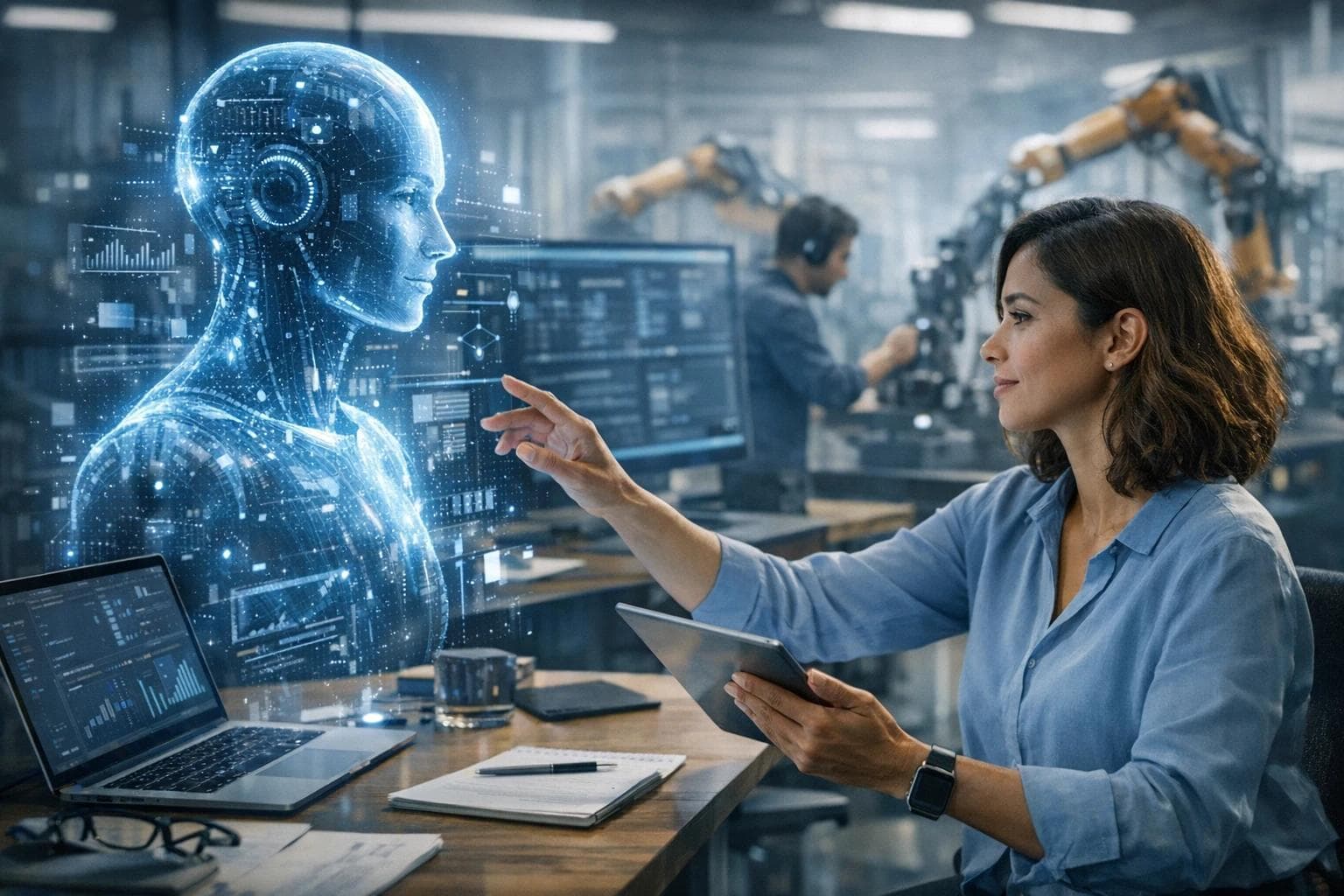
Artificial intelligence has moved beyond theoretical concepts and is now deeply embedded in everyday workflows across sectors like finance, healthcare, marketing, and manufacturing. AI-powered automation tools help reduce human error, speed up routine processes, and free workers to focus on creative or strategic tasks. For example, natural language processing (NLP) applications automate customer support by instantly interpreting and responding to queries, evident in companies utilizing AI chatbots to improve service availability around the clock.
Meanwhile, AI-driven data analysis platforms provide real-time insights that enable faster decision-making. In marketing, predictive analytics tools analyze consumer behavior data to tailor campaigns more precisely, driving higher engagement and ROI. The tangible impact? Businesses increase productivity without proportionate increases in labor costs.
Transforming Job Roles: From Automation to Augmentation
The fear of AI displacing jobs often dominates public discourse, but the reality is more nuanced. AI predominantly augments rather than replaces human roles. Tasks involving repetitive, rule-based work are prime for automation. For instance, in accounting, AI software automates invoice processing and reconciliations, reducing the workload of financial professionals.
However, new roles emerge in tandem with AI adoption, including AI system trainers, explainability specialists, and ethics officers to ensure responsible AI use. As AI takes over routine tasks, employees need to upskill in areas like data literacy, critical thinking, and complex problem-solving. Companies investing in employee reskilling create a workforce better prepared to collaborate with AI tools effectively.
Practical Applications: AI Tools Changing Daily Workflows
Various AI applications have become embedded in professionals’ daily routines. In creative industries, generative AI assists with content creation, graphics design, and video editing, accelerating timelines and enabling rapid prototyping. Writers use AI-driven grammar and style suggestions to improve clarity and tone, enhancing the quality of communications.
Project management benefits from AI-powered scheduling and resource allocation platforms that predict deadlines, identify bottlenecks, and suggest optimal workflows. This predictive capability helps teams stay aligned and adapt dynamically to changes.
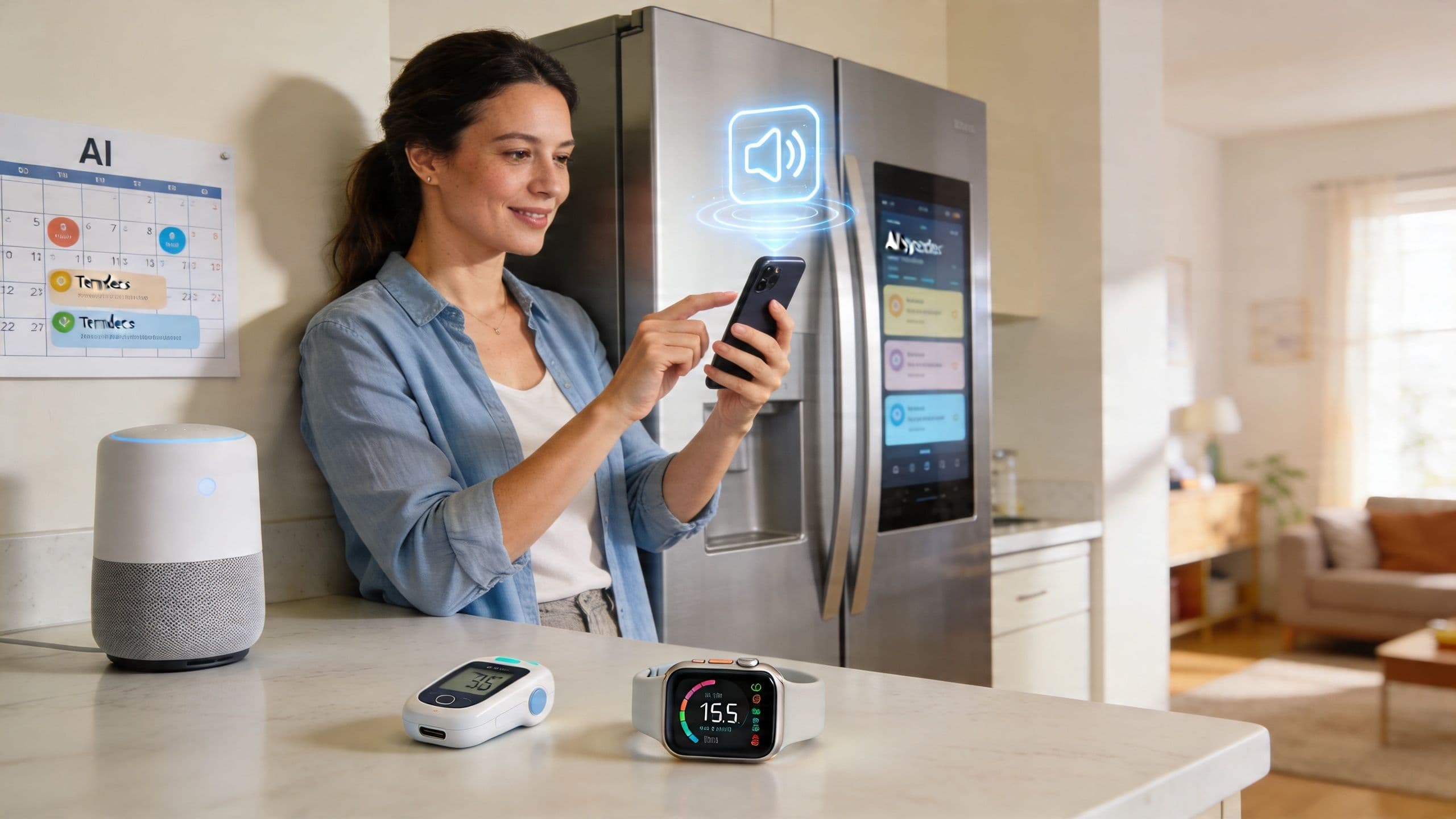
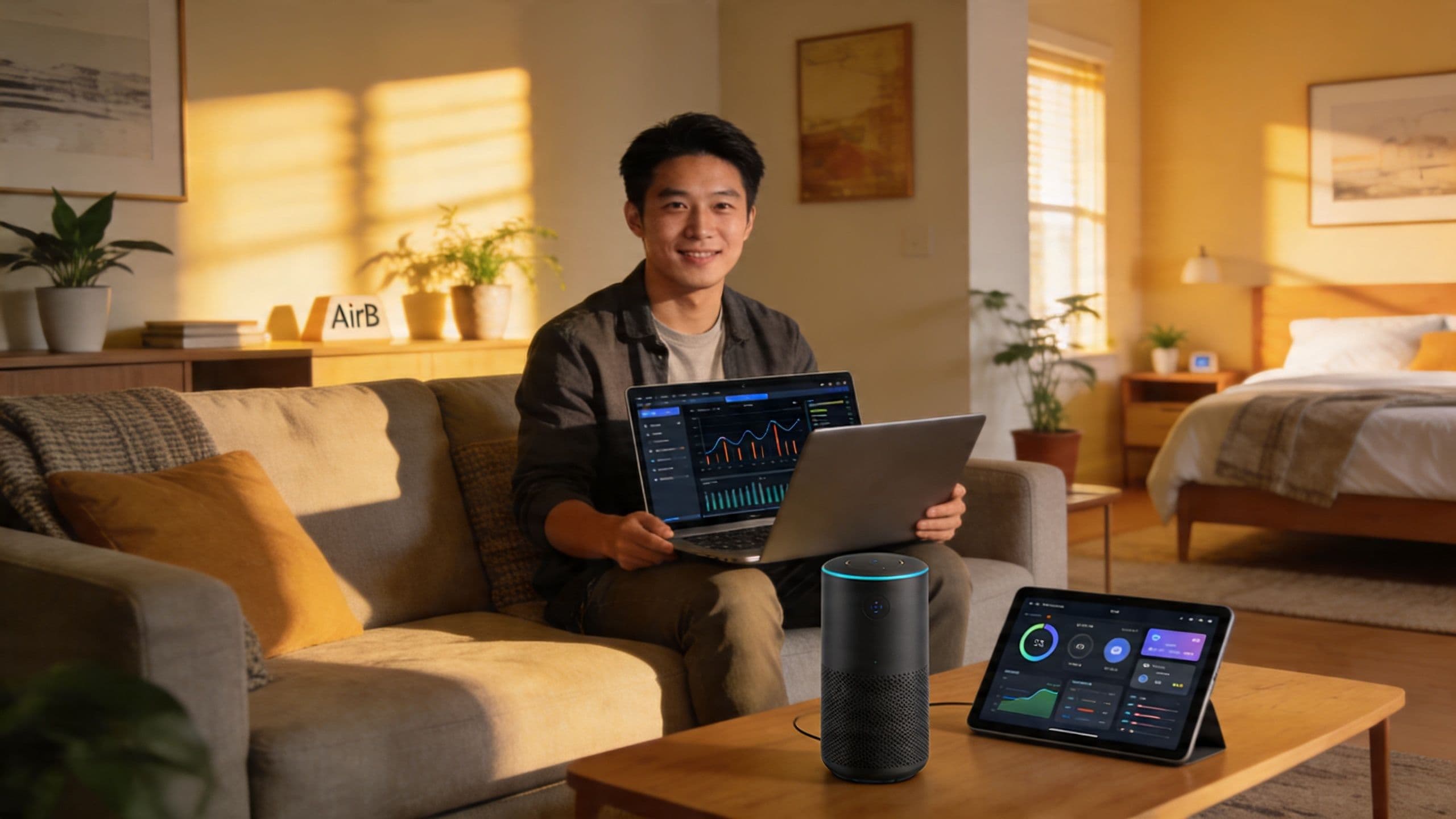
Remote and hybrid work settings also leverage AI for better collaboration. Virtual assistant AI can summarize meetings, track action items, and even analyze sentiment during video calls to improve communication. These AI applications address the challenges of dispersed teams and maintain productivity.
Ethical Considerations and Challenges of AI Adoption at Work
AI’s integration into the workplace is not without challenges. Bias in AI algorithms can perpetuate inequalities, particularly in hiring or performance evaluations if training data is unrepresentative or flawed. Transparency about how AI makes decisions is crucial to maintaining trust among employees and customers.
Moreover, over-reliance on AI ris ks deskilling workers if human expertise is sidelined. Organizations must balance automation with sustained human input to preserve institutional knowledge and creativity.
Compliance with privacy regulations is another critical concern, especially when AI handles sensitive employee or client data. Companies must implement safeguards to prevent data misuse or breaches.
Embracing AI: Practical Steps for Individuals and Organizations
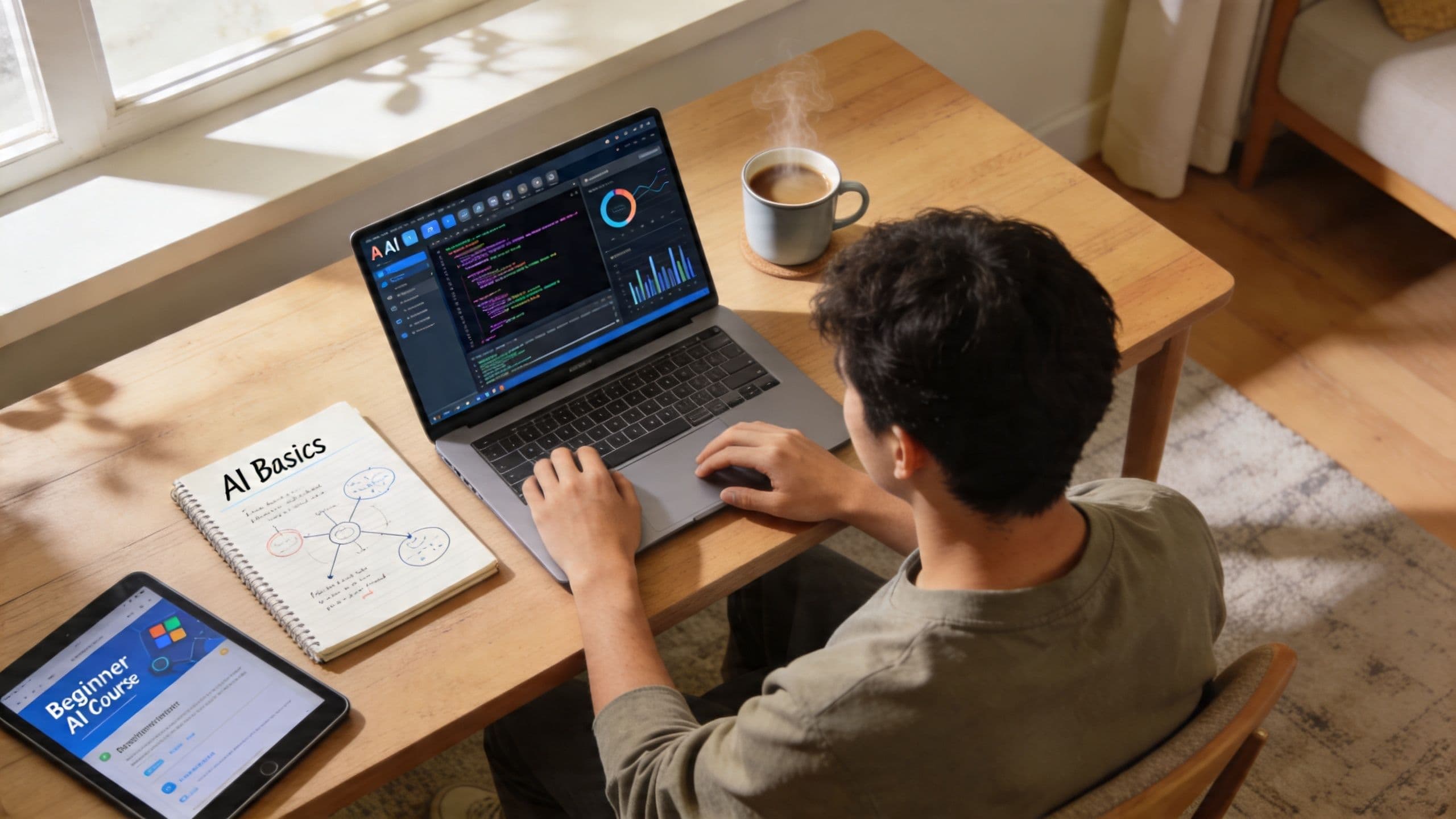
Understanding how AI is changing the way we work starts with education and experimentation. Individuals should proactively engage with AI tools relevant to their roles, develop digital skills, and cultivate adaptability to changing technologies.
Organizations should establish clear AI governance policies, invest in workforce upskilling, and foster an innovation-friendly culture that integrates AI responsibly. By viewing AI as an enabler rather than a threat, businesses can harness its full potential to improve productivity and employee satisfaction.
AI’s trajectory suggests continued evolution in workplace dynamics, emphasizing collaboration between humans and intelligent systems. Staying informed and agile will be essential to thriving in this new era of work.
---
FAQ
What should readers understand first about how AI is changing the way we work? AI primarily enhances efficiency by automating repetitive tasks and providing actionable insights, enabling workers to focus on higher-value, strategic activities rather than replacing human roles outright.
What are the most useful examples or use cases for how AI is changing the way we work? Key use cases include AI-driven customer service chatbots, predictive analytics in marketing, automated invoicing in finance, content generation in creative fields, and virtual assistants that improve collaboration and meeting productivity.
What mistakes should I avoid with how AI is changing the way we work? Avoid over-reliance on AI without human oversight, neglecting workforce training, ignoring ethical concerns such as bias and transparency, and lacking clear governance around AI tools and data privacy.
Safety & Scope
This article is for general informational purposes and does not replace professional advice for complex repairs or installations.
Frequently Asked Questions
+What should readers understand first about how AI is changing the way we work?
AI primarily enhances efficiency by automating repetitive tasks and providing actionable insights, enabling workers to focus on higher-value, strategic activities rather than replacing human roles outright.
+What are the most useful examples or use cases for how AI is changing the way we work?
Key use cases include AI-driven customer service chatbots, predictive analytics in marketing, automated invoicing in finance, content generation in creative fields, and virtual assistants that improve collaboration and meeting productivity.
+What mistakes should I avoid with how AI is changing the way we work?
Avoid over-reliance on AI without human oversight, neglecting workforce training, ignoring ethical concerns such as bias and transparency, and lacking clear governance around AI tools and data privacy.